

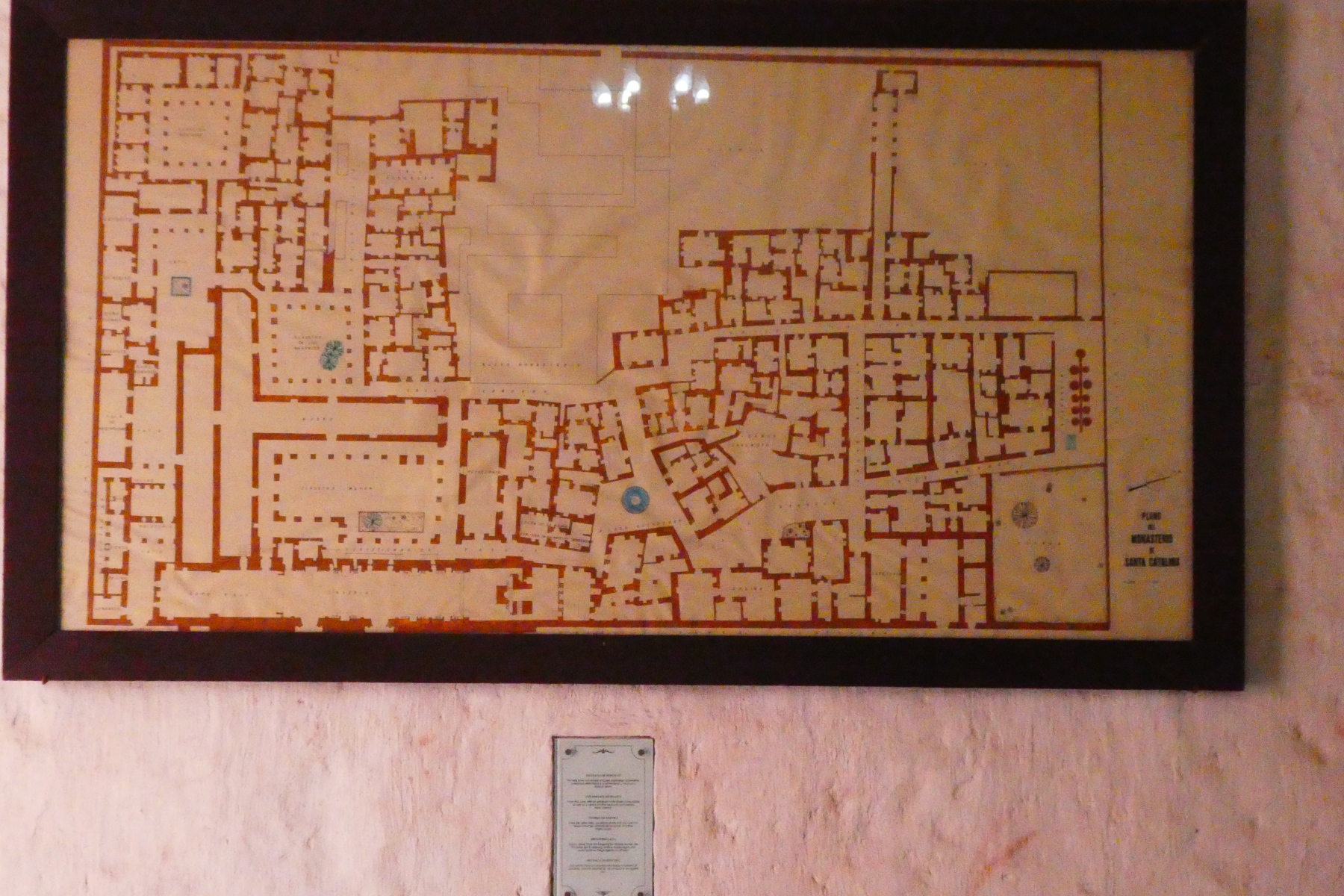
Our main activity today was visiting the Monasterio de Santa Catalina (Monastery of Saint Catherine), one of Arequipa’s most famous historical attractions.
Lately, I’ve deliberately avoided reading too much about the places we’re going to visit. I want to experience them with fresh eyes.
So imagine my surprise when I discovered that Santa Catalina had been inhabited exclusively by nuns.
Wouldn’t that make it a convent?
Naturally, I asked Chad (I renamed ChatGPT from “Chet” to “Chad”, since some people were getting confused about the conversations and help I was getting from my brother Chet).
Here’s the explanation I received:
Traditionally, particularly in Catholicism, a monastery often refers to a community of monks or nuns devoted primarily to prayer, contemplation, and a secluded life. A convent often refers to a community of religious women, particularly sisters involved in teaching, nursing, or other activities outside their residence.
The definitions overlap, however, and aren’t rigid.
Santa Catalina was founded in 1579 for cloistered Dominican nuns who lived largely separated from the outside world. So monastery is an entirely appropriate name.
There you have it: today’s educational moment. I hope you enjoyed it.
We spent nearly three hours exploring the monastery, and both found it fascinating. There was so much to see that I may have to return to this post and add more photographs.
Most of the nuns came from wealthy families, and entering the monastery required a dowry. Their families would purchase cells for them, although in some cases “suites” seems a more appropriate description.
Many were sparse, but others were surprisingly elaborate. A few even had pianos!
I’ve divided my photographs into three categories: the monastery’s buildings and courtyards, its artwork, and the objects that caught my attention.
Mostly doors. I really liked the doors.
First, a look around.
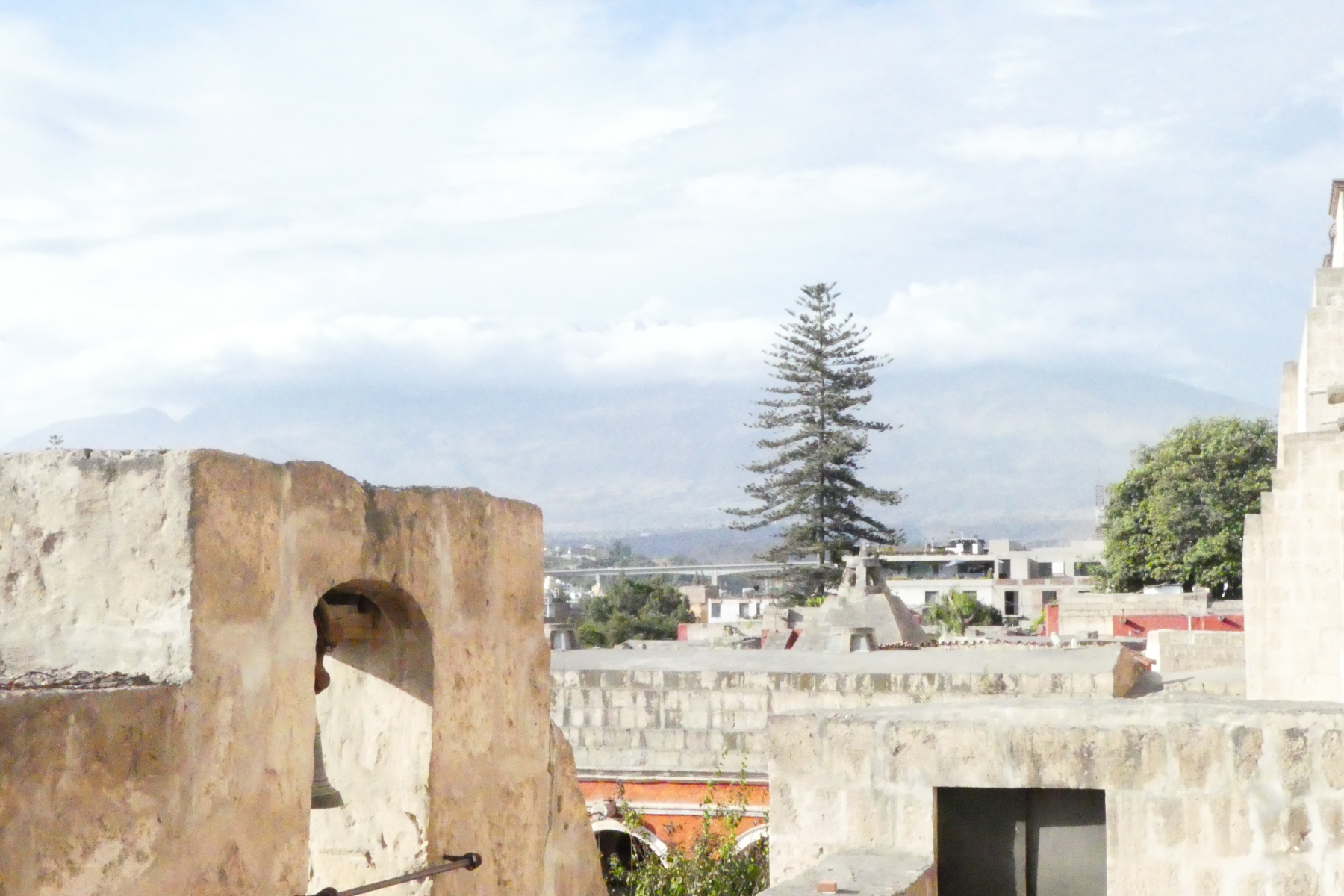
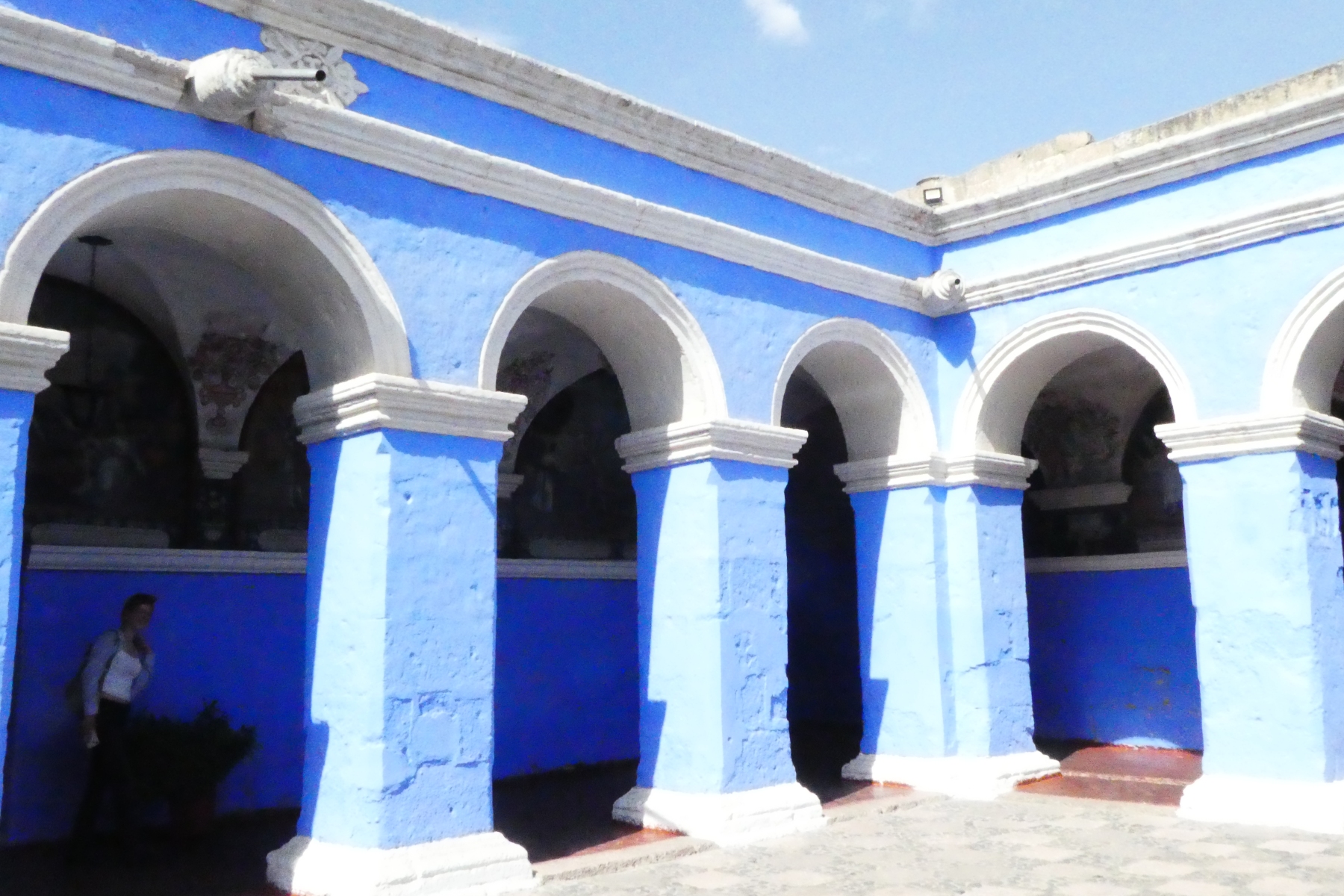
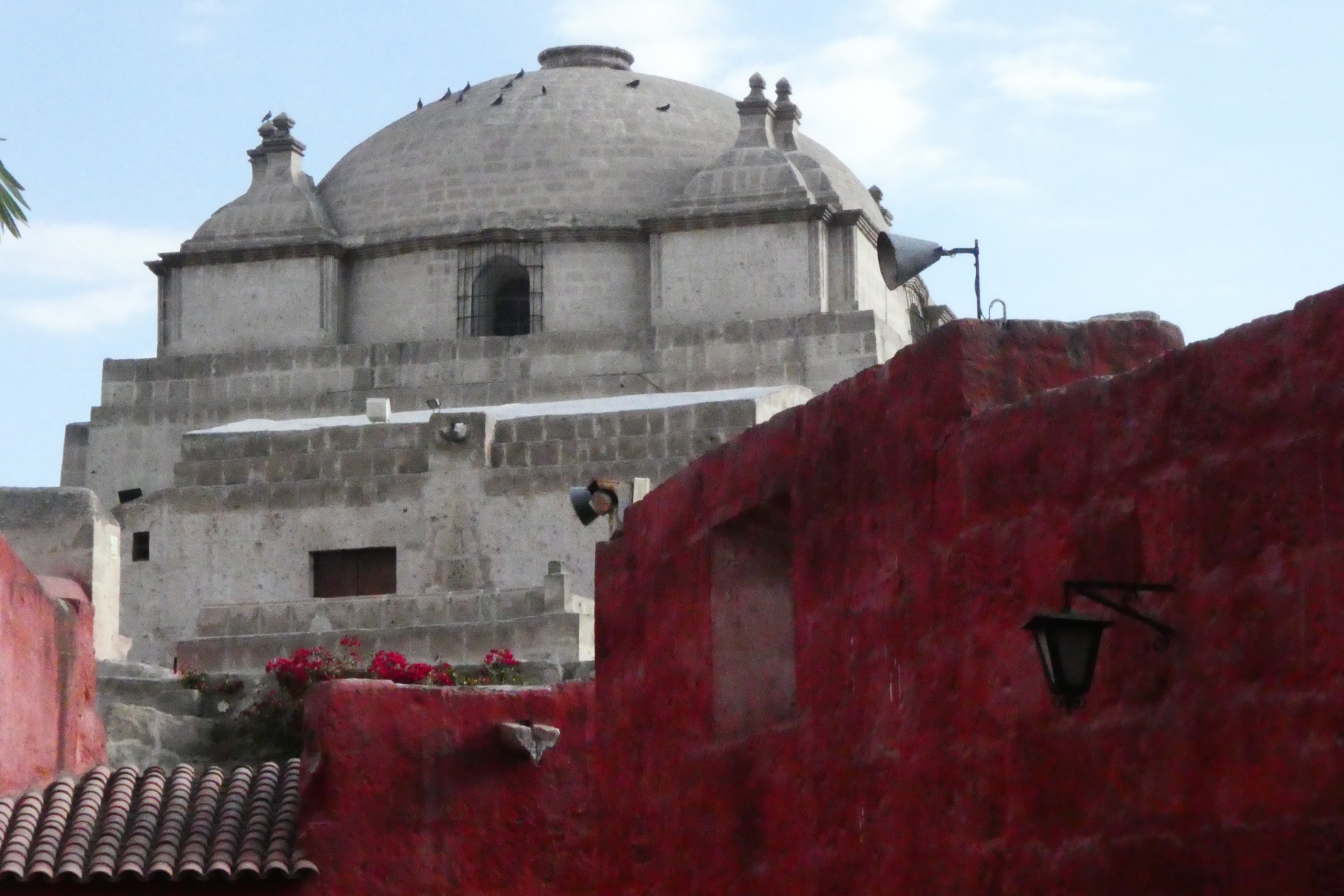
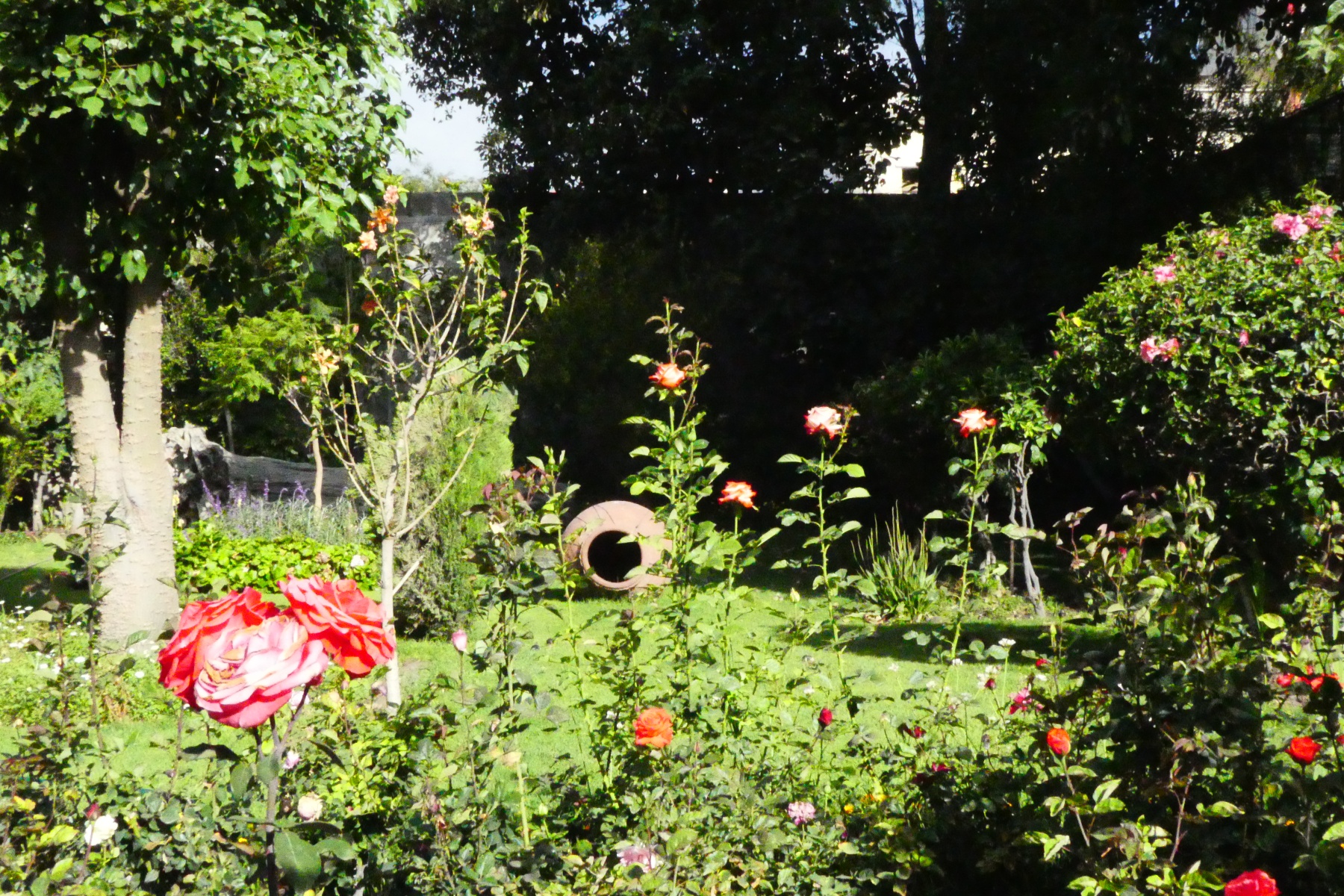
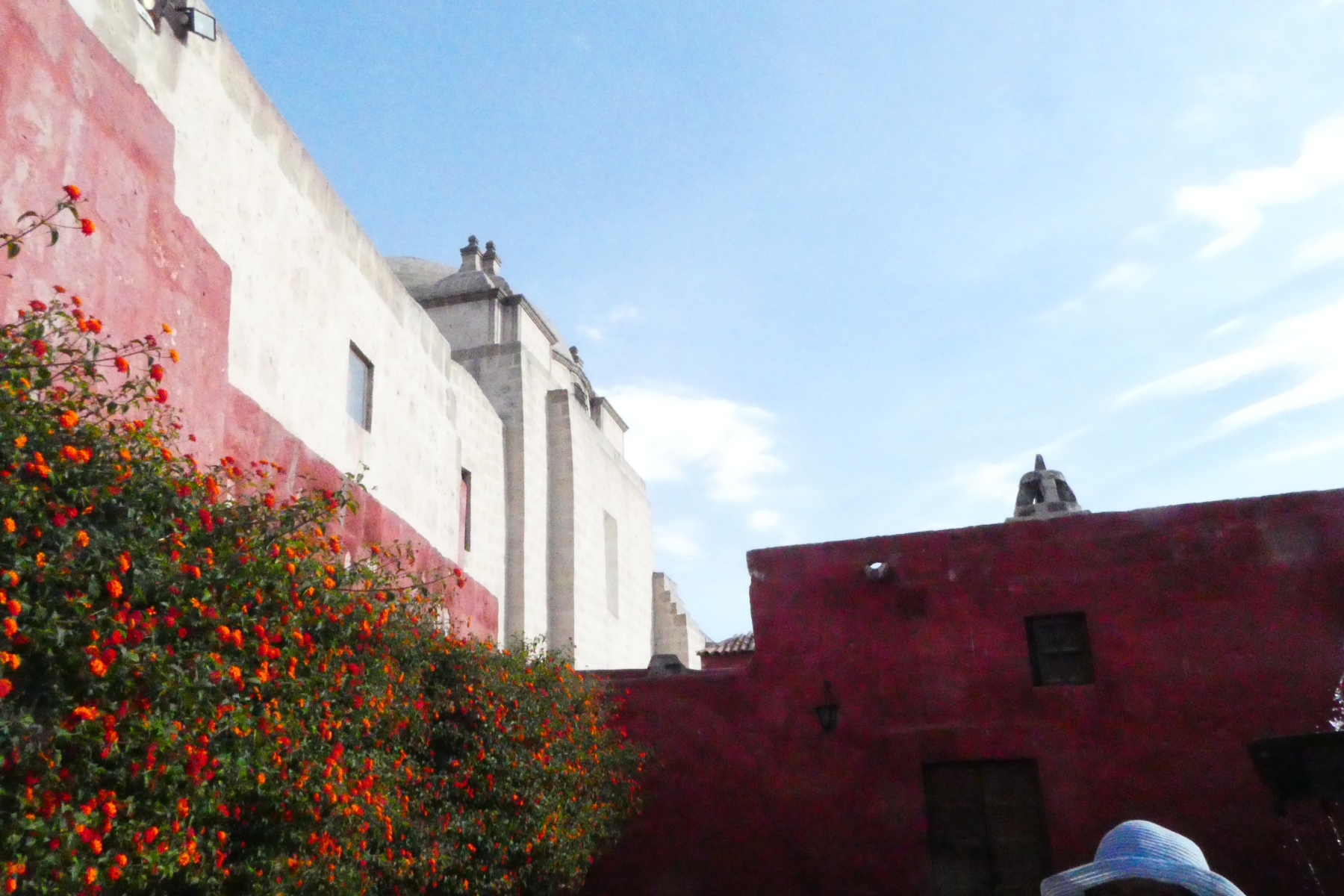
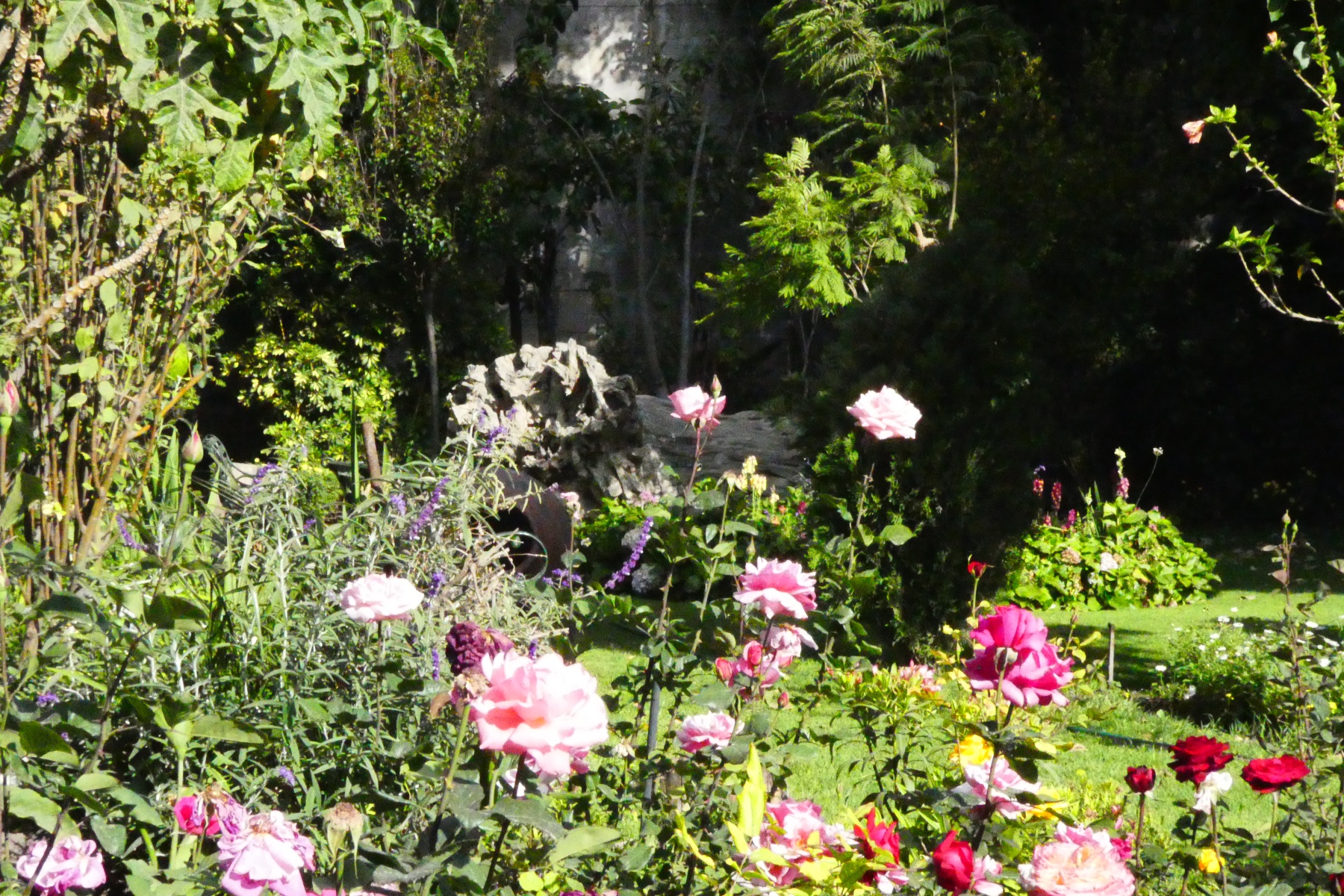
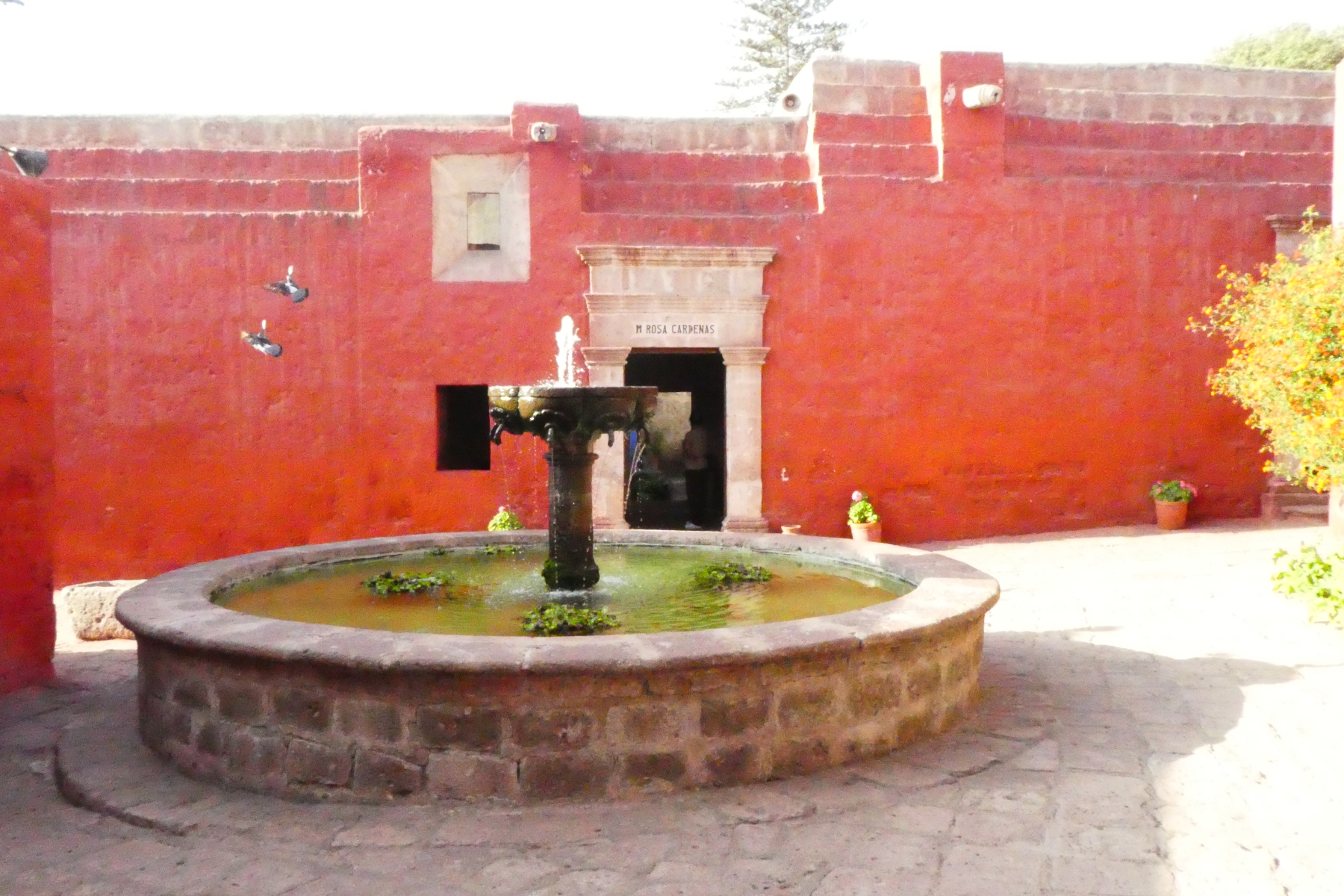
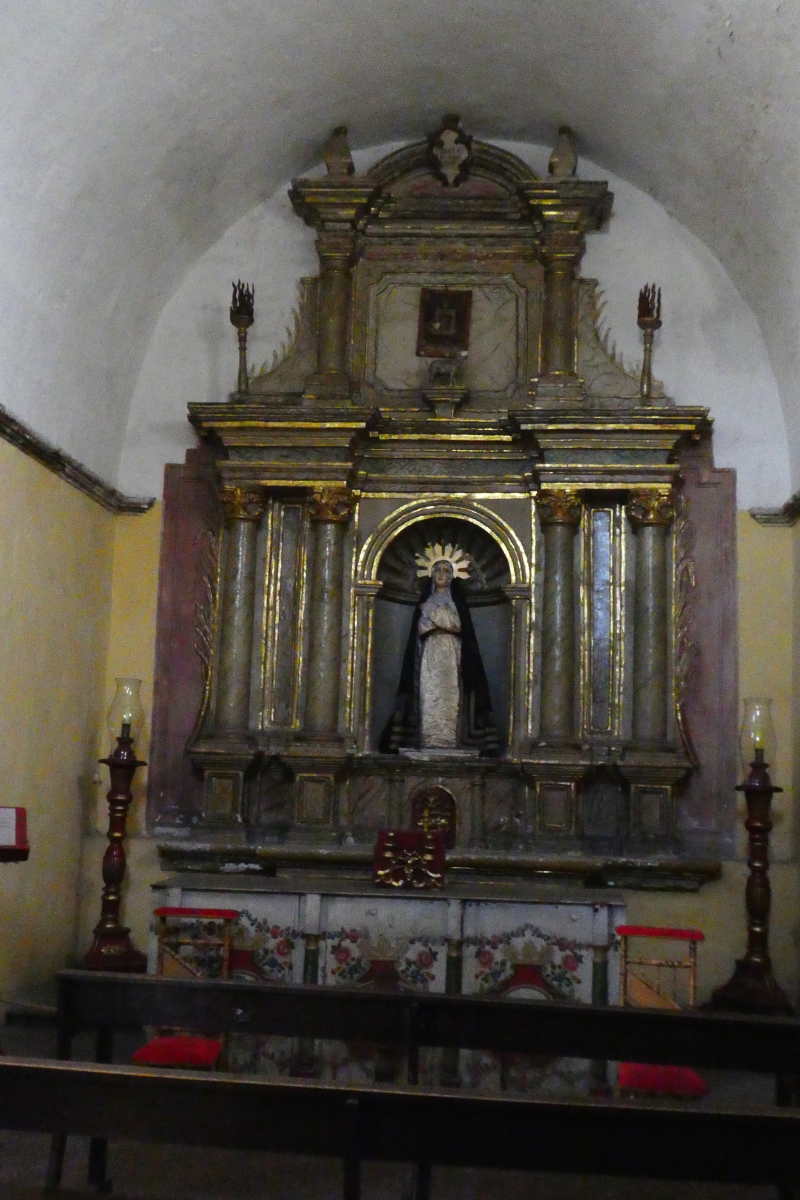
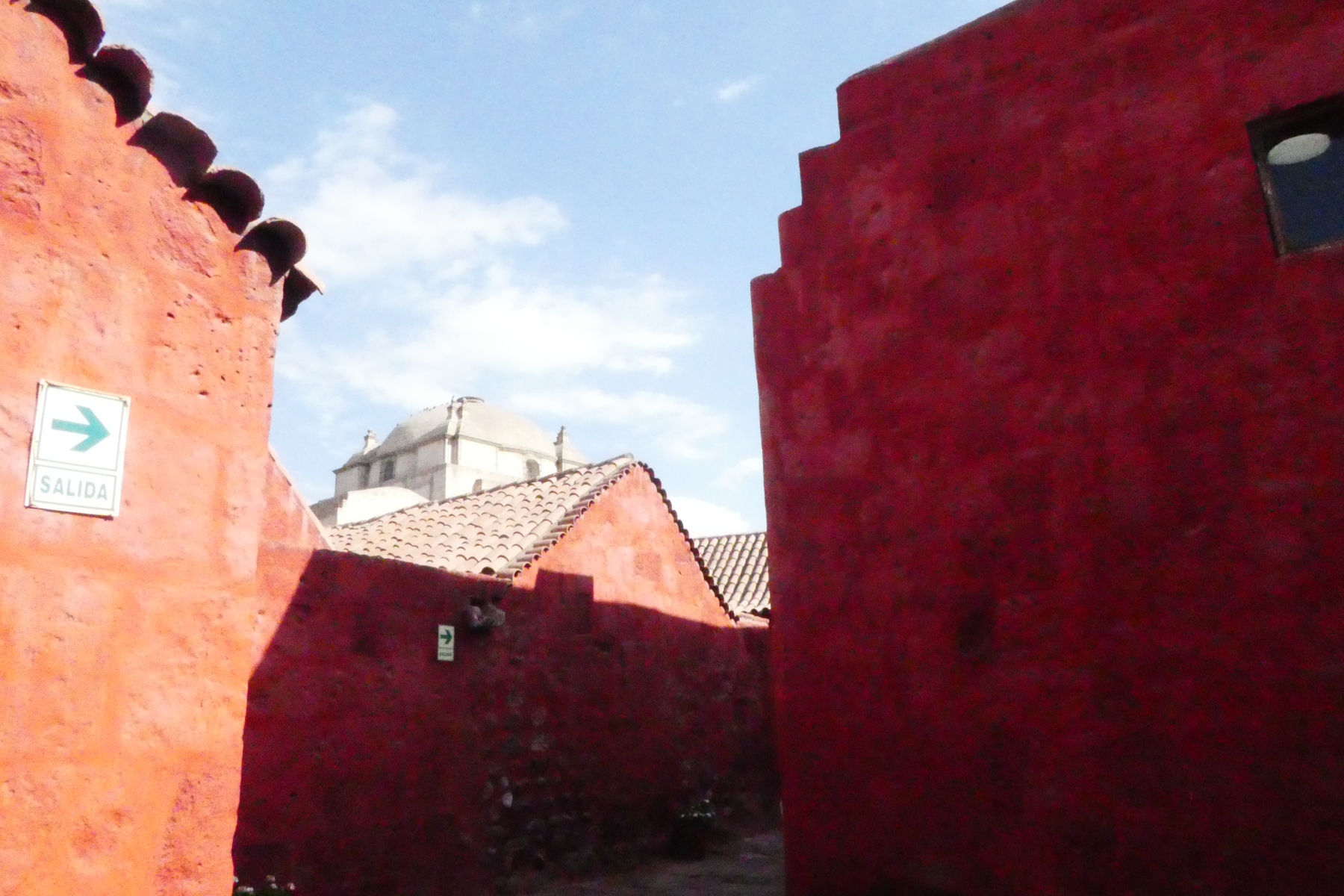
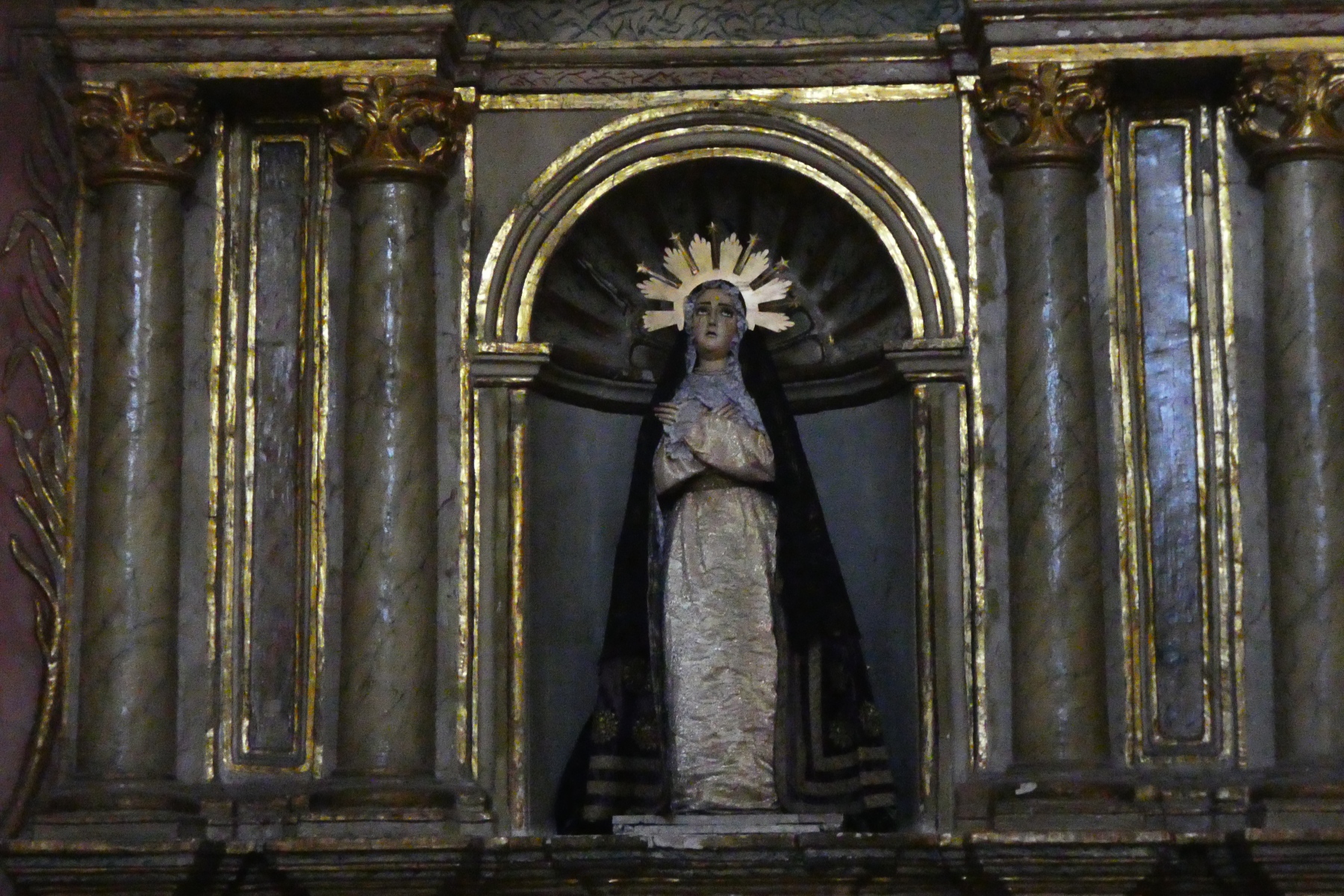
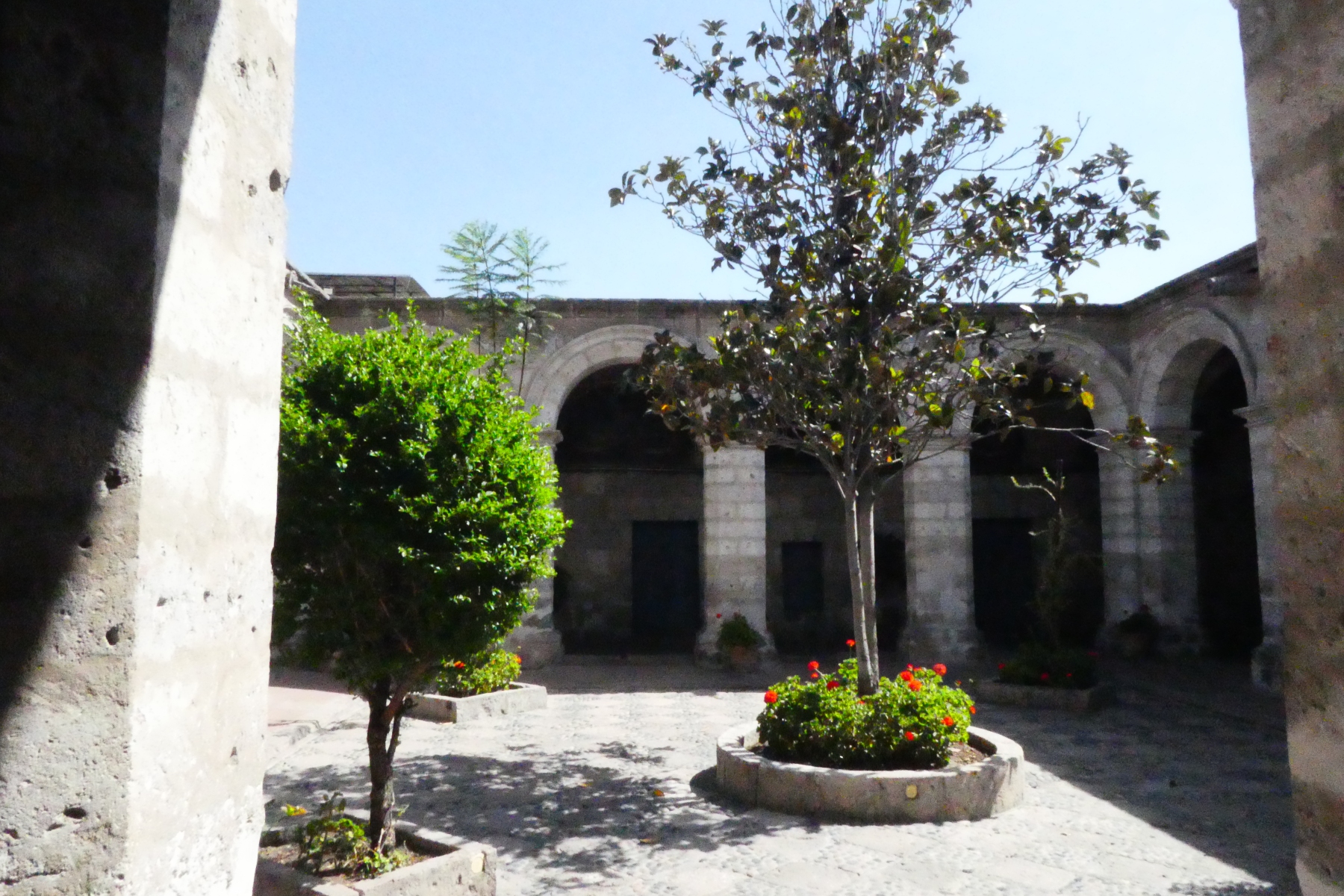
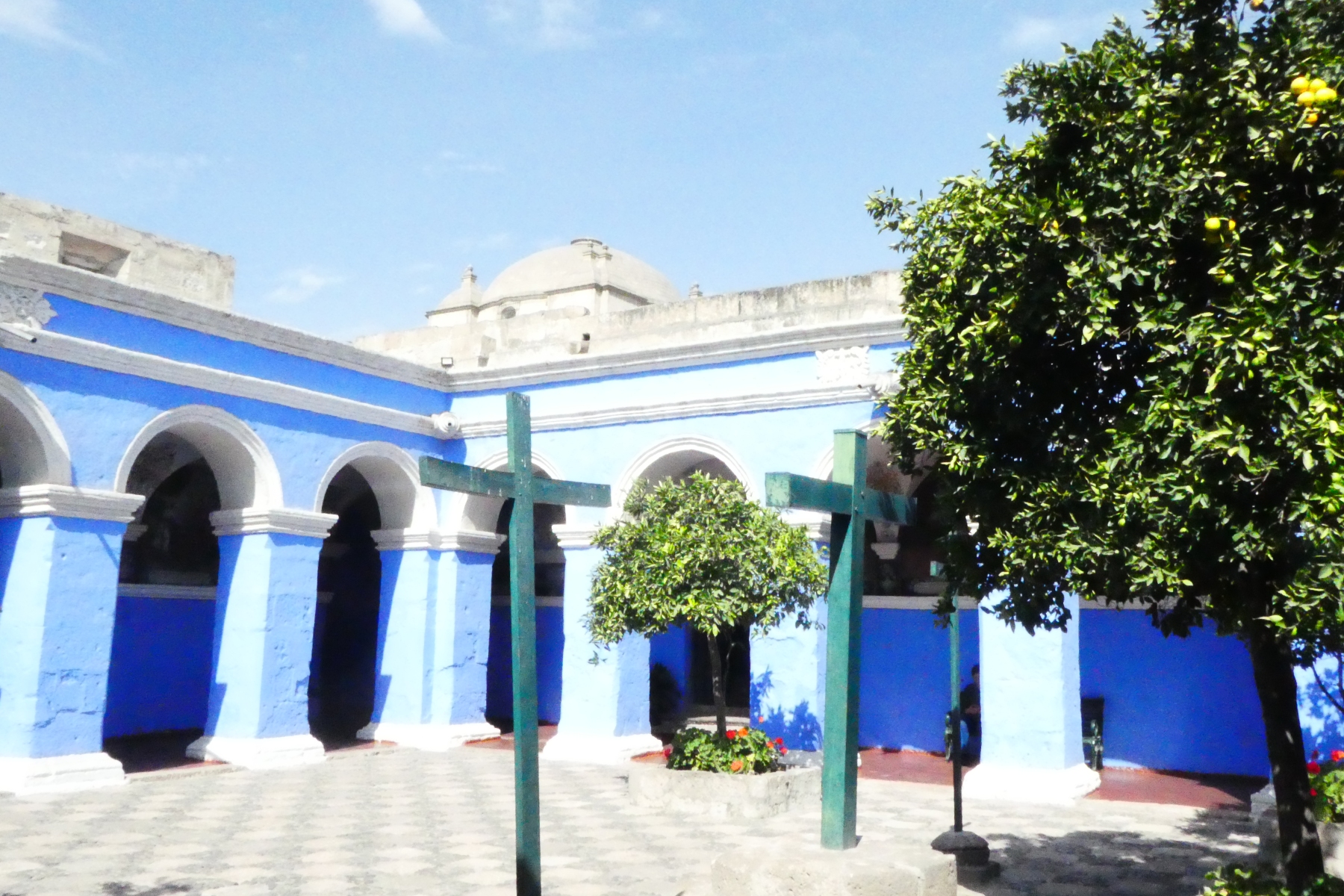
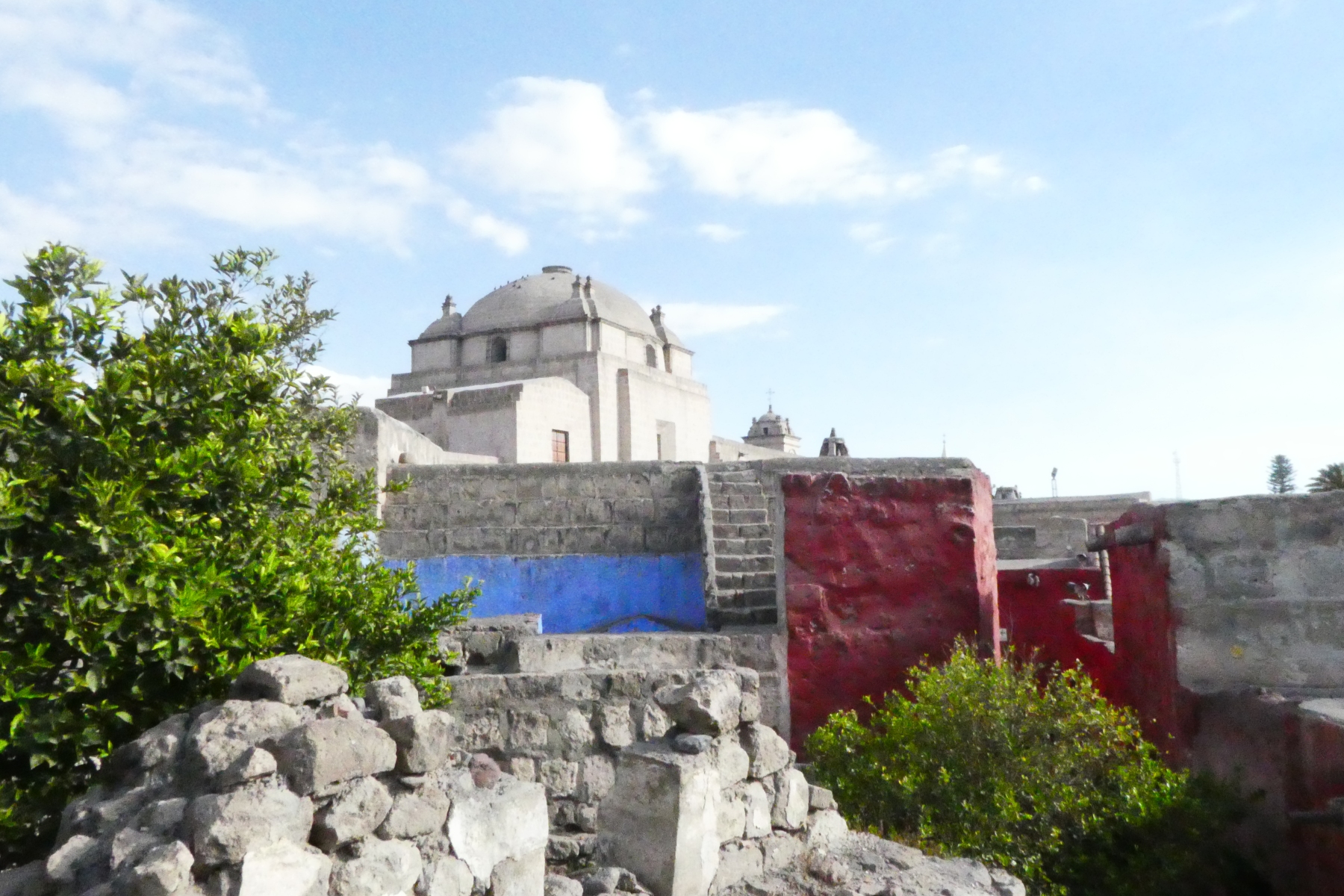
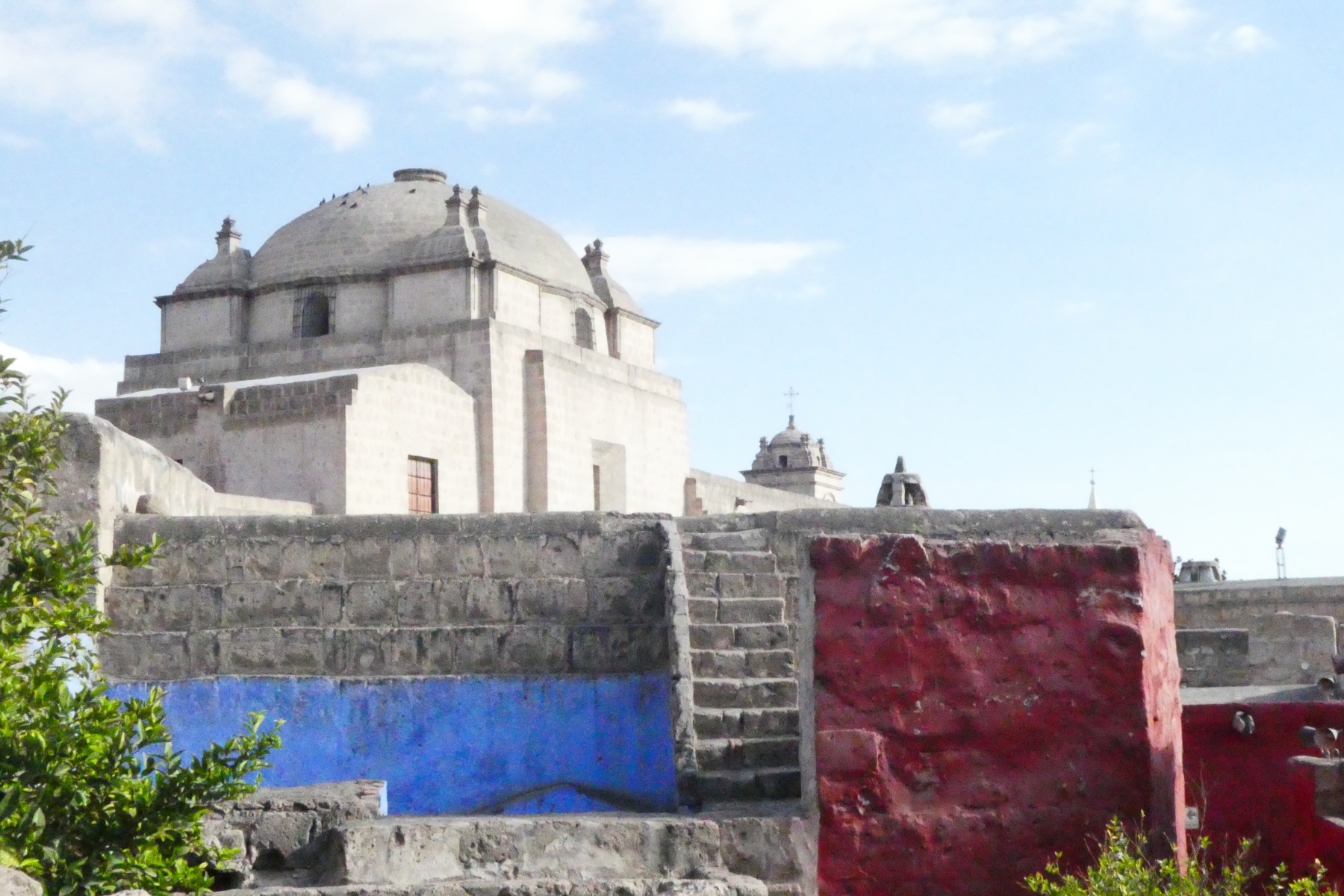
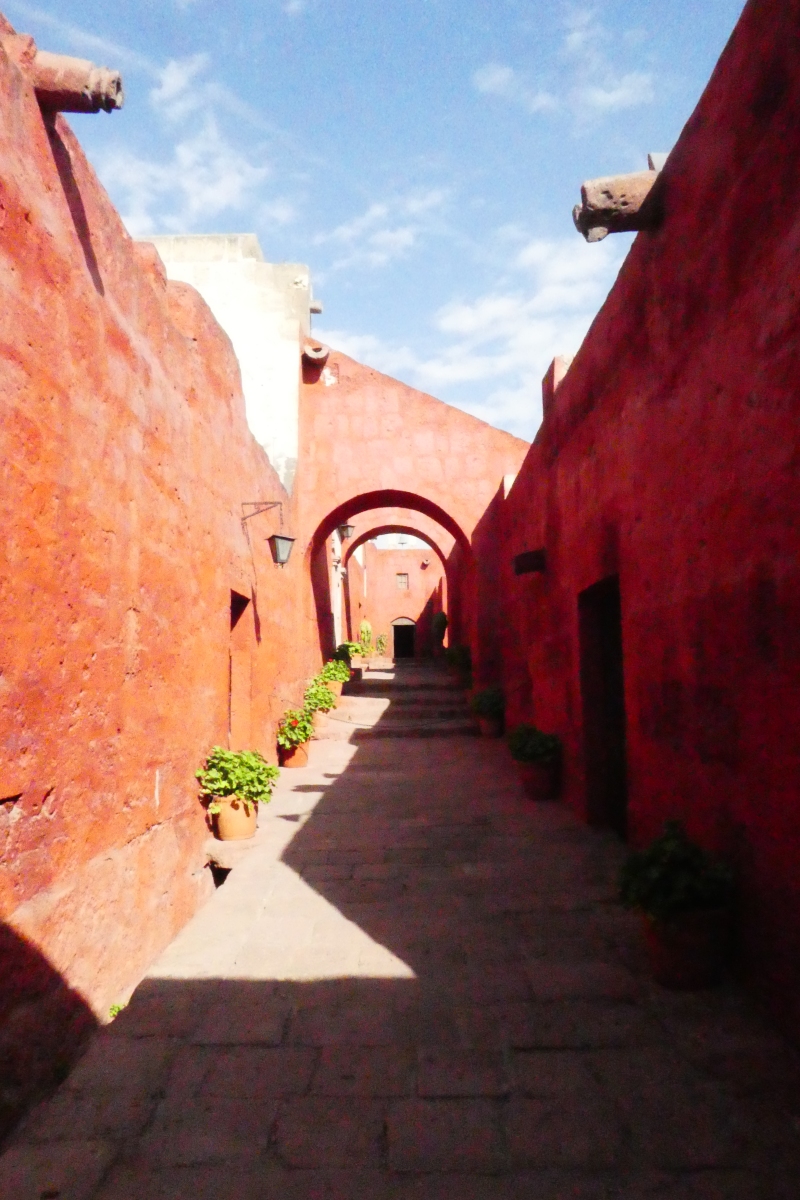
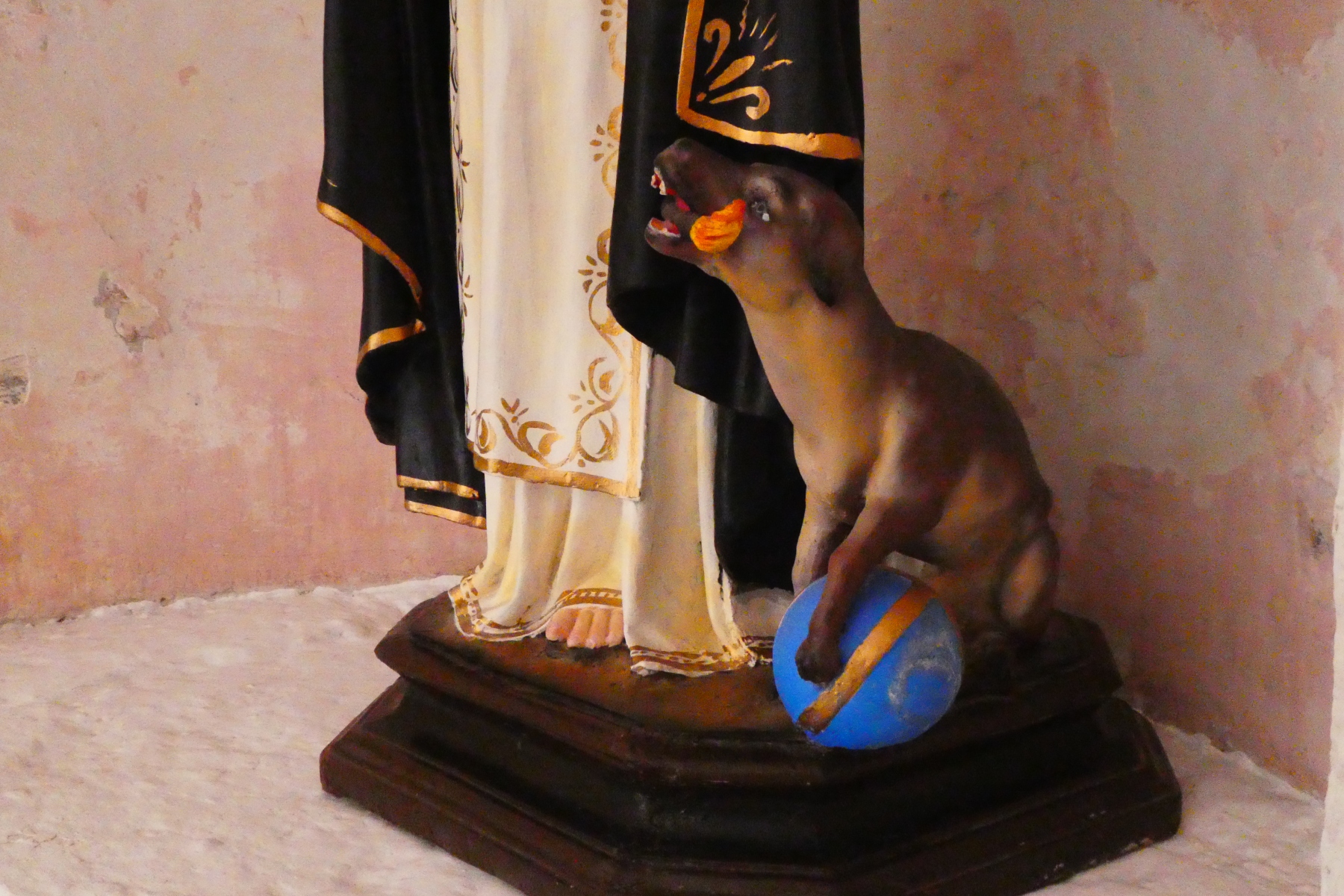
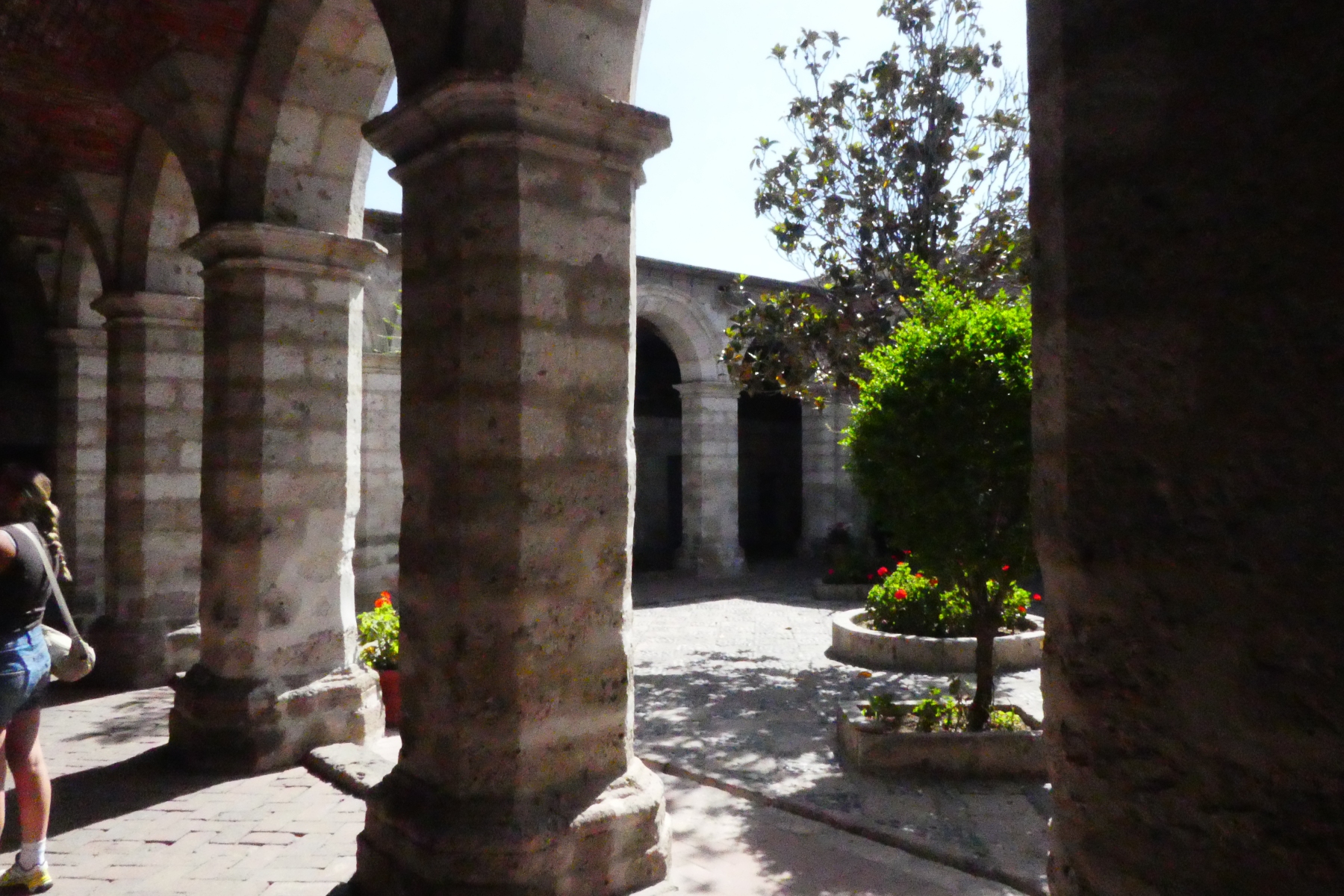
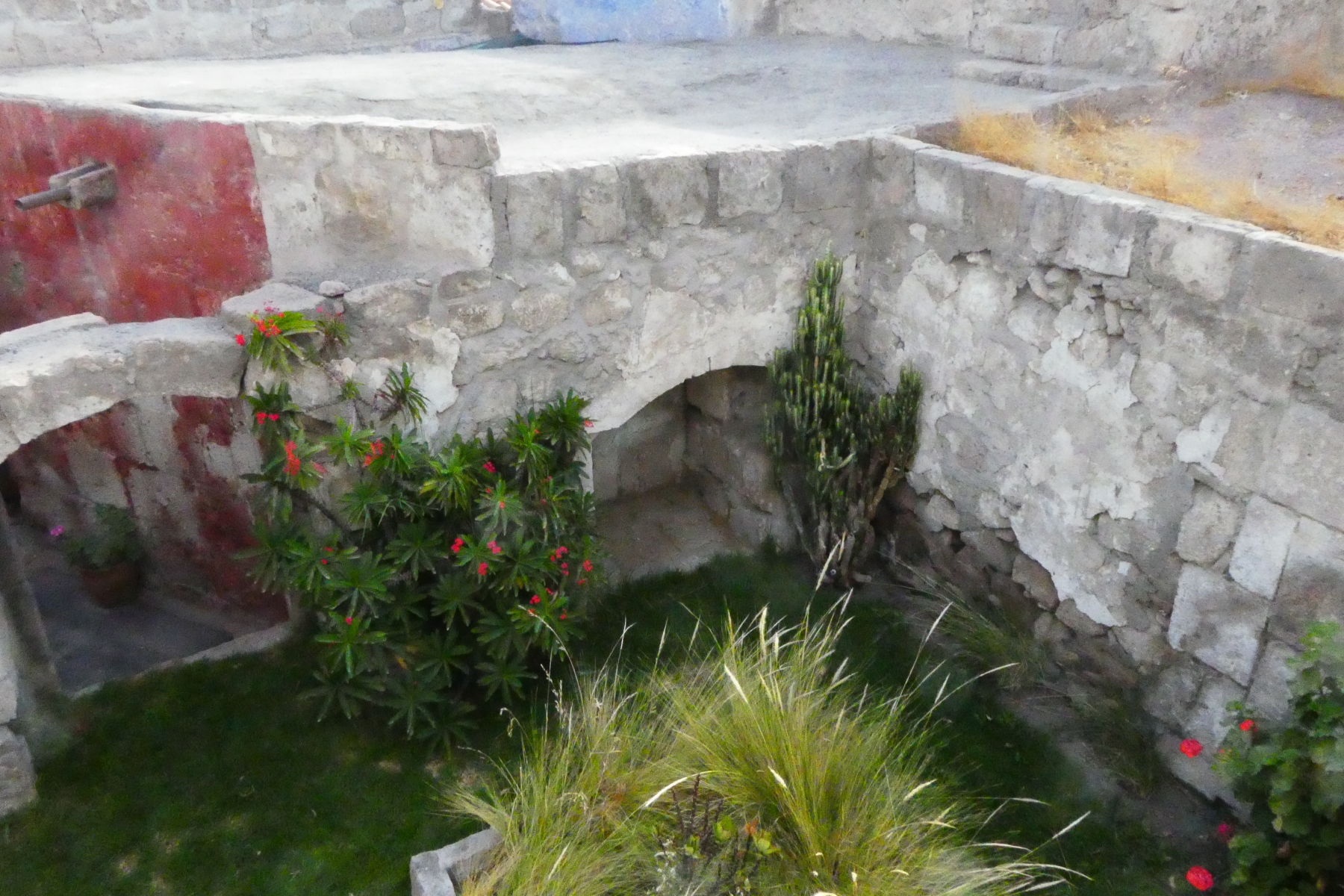
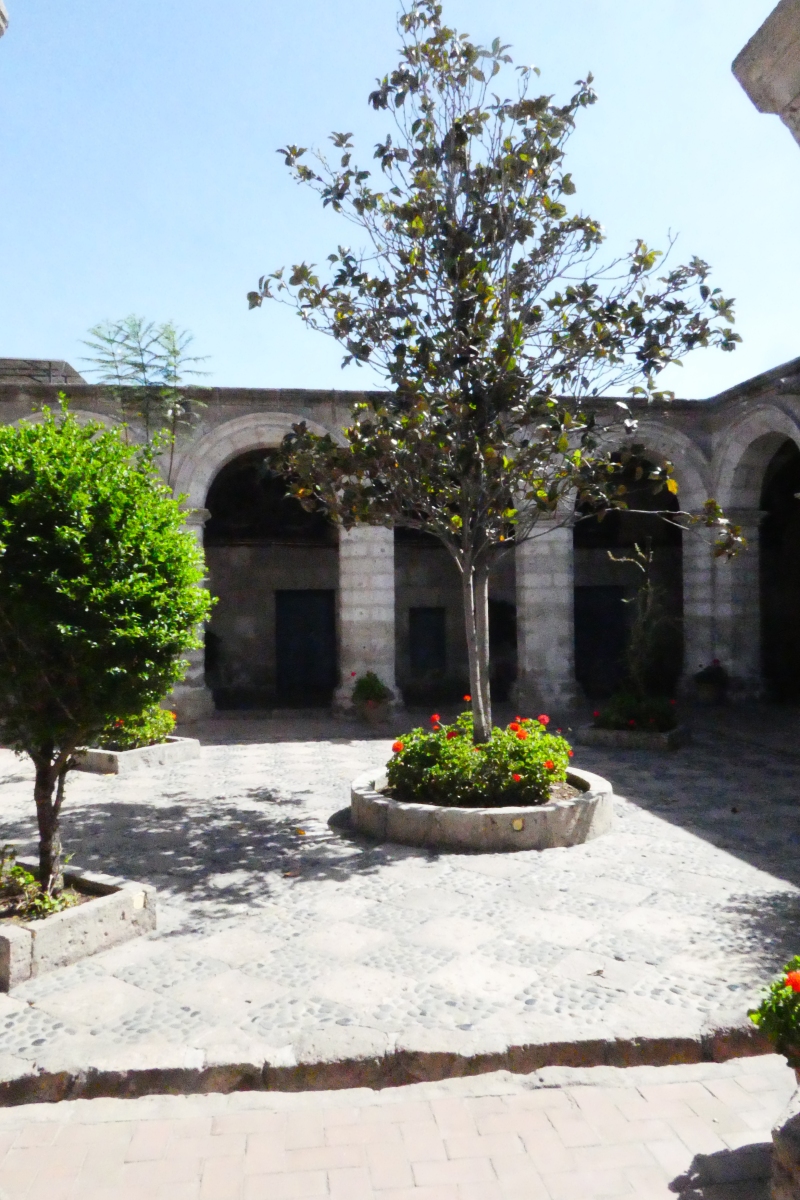
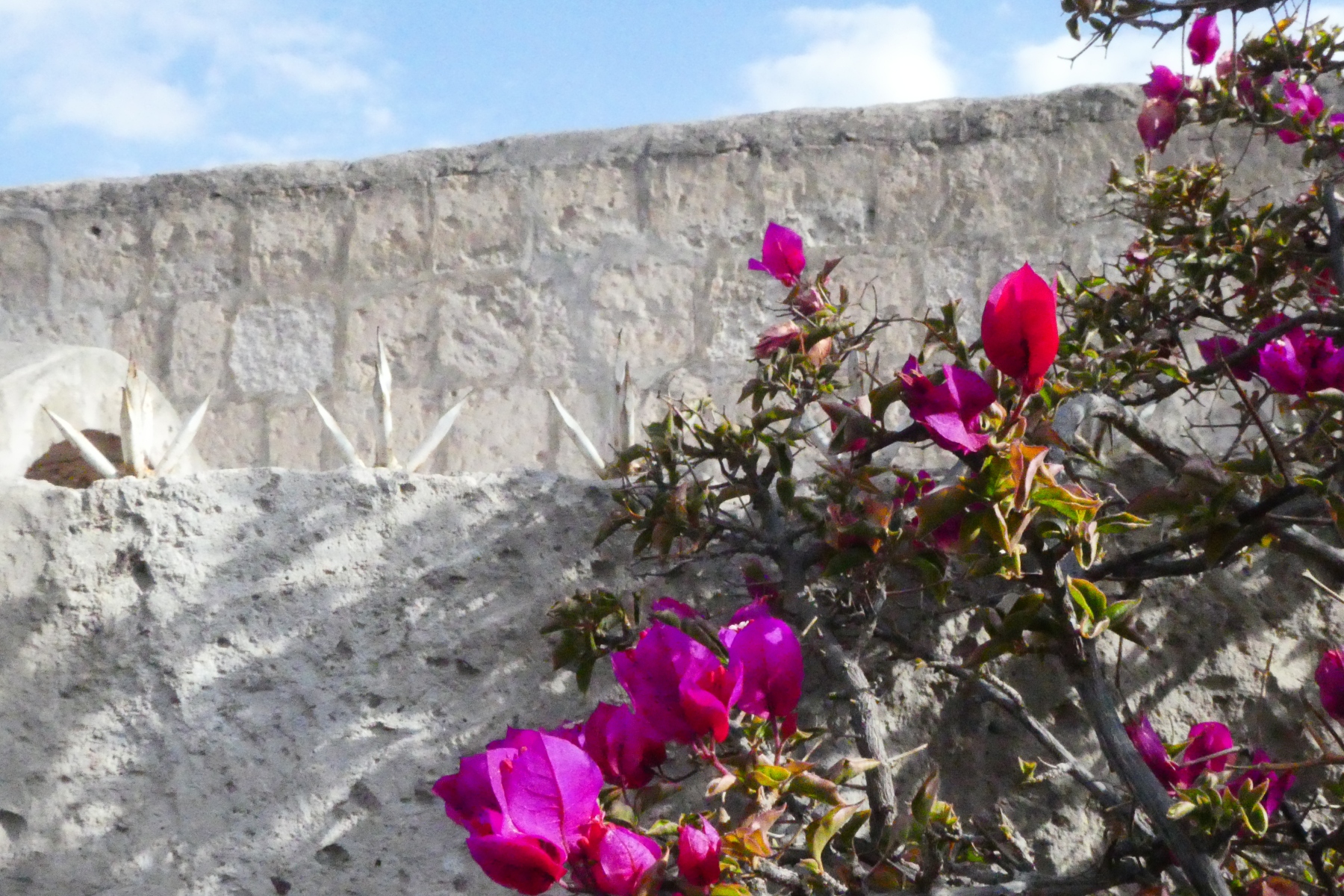
As you can see, it’s a beautiful place. The various cloisters are distinguished by their colorful walls, and even the simplest cells have a certain beauty. We thoroughly enjoyed wandering through the grounds.
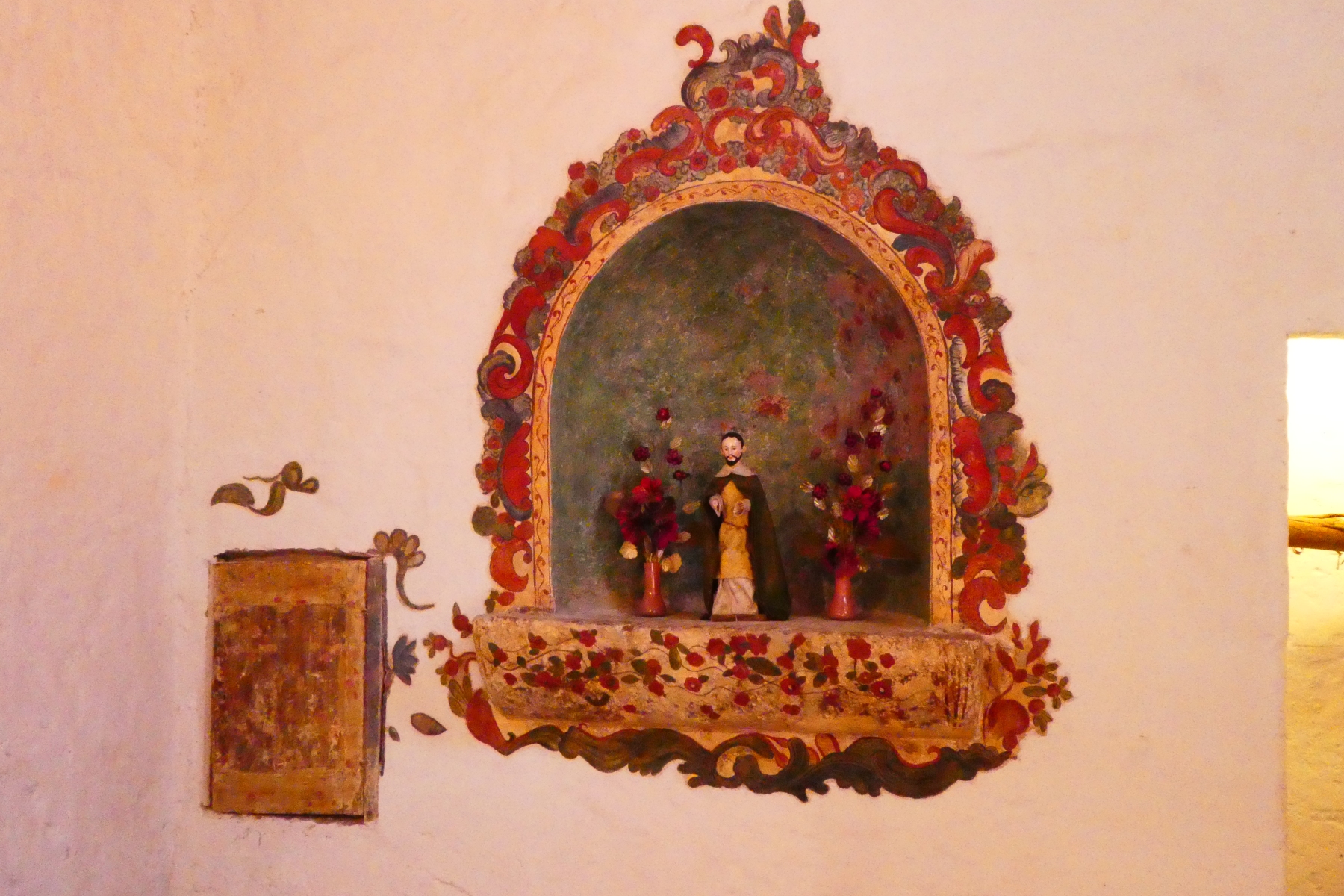
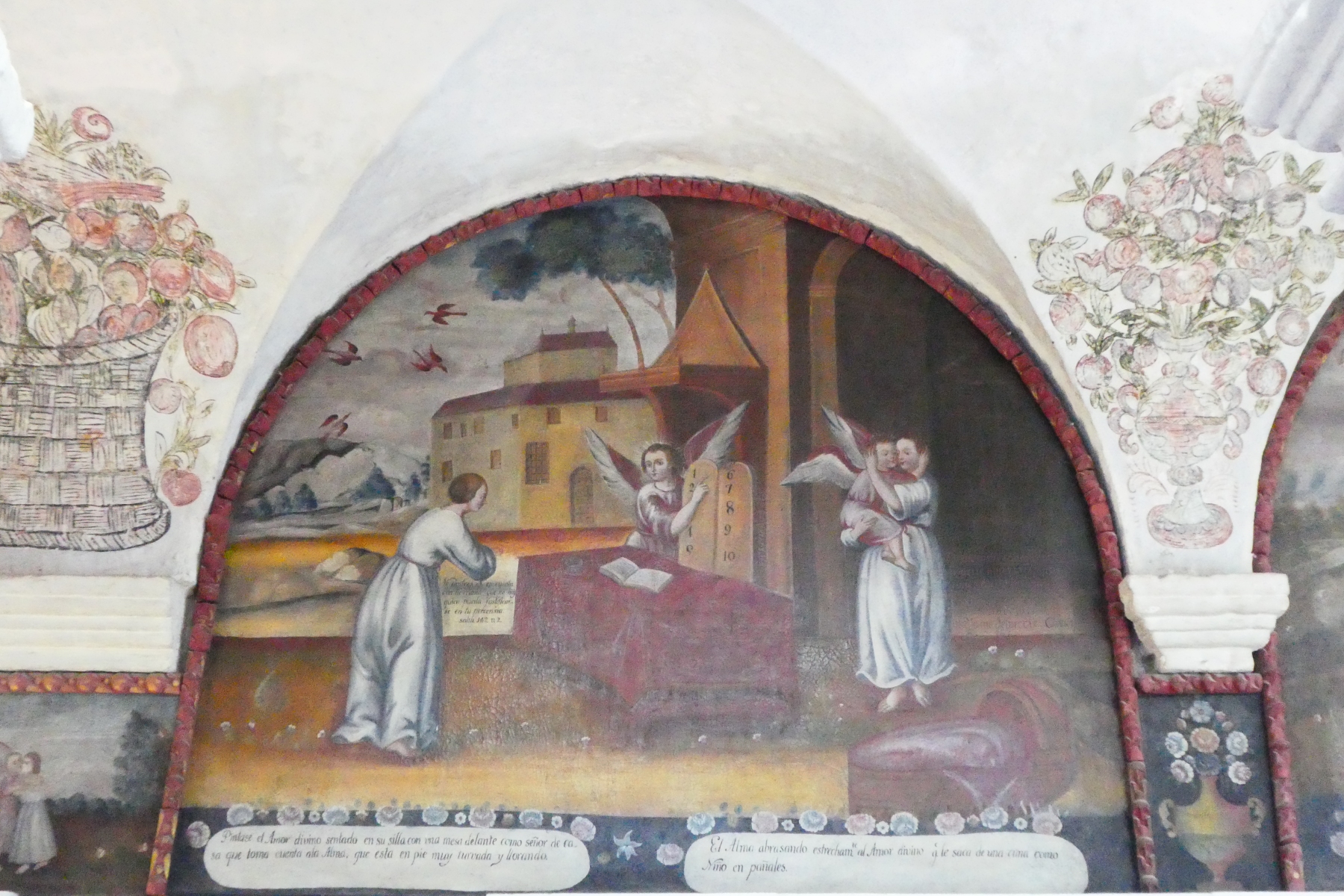
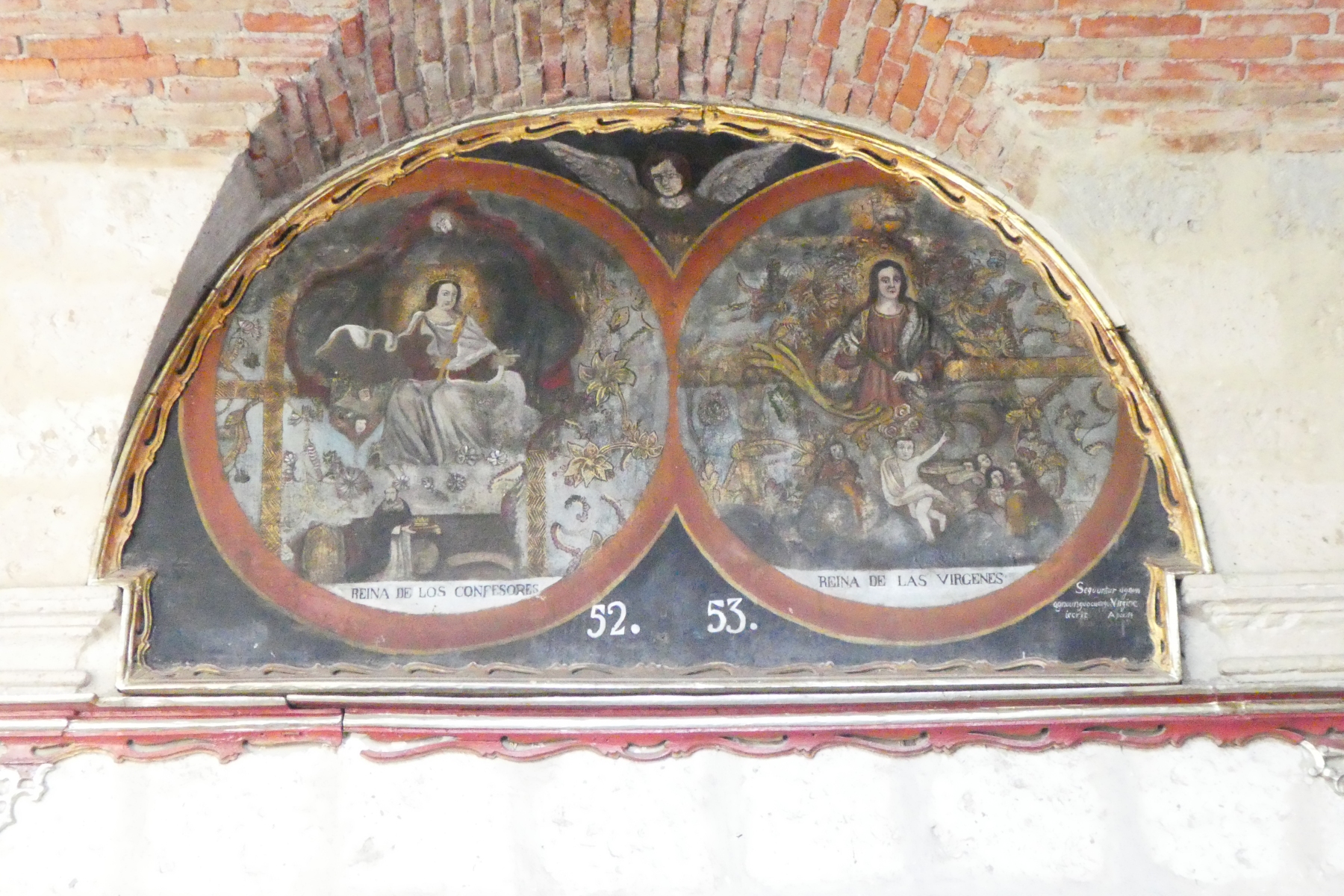
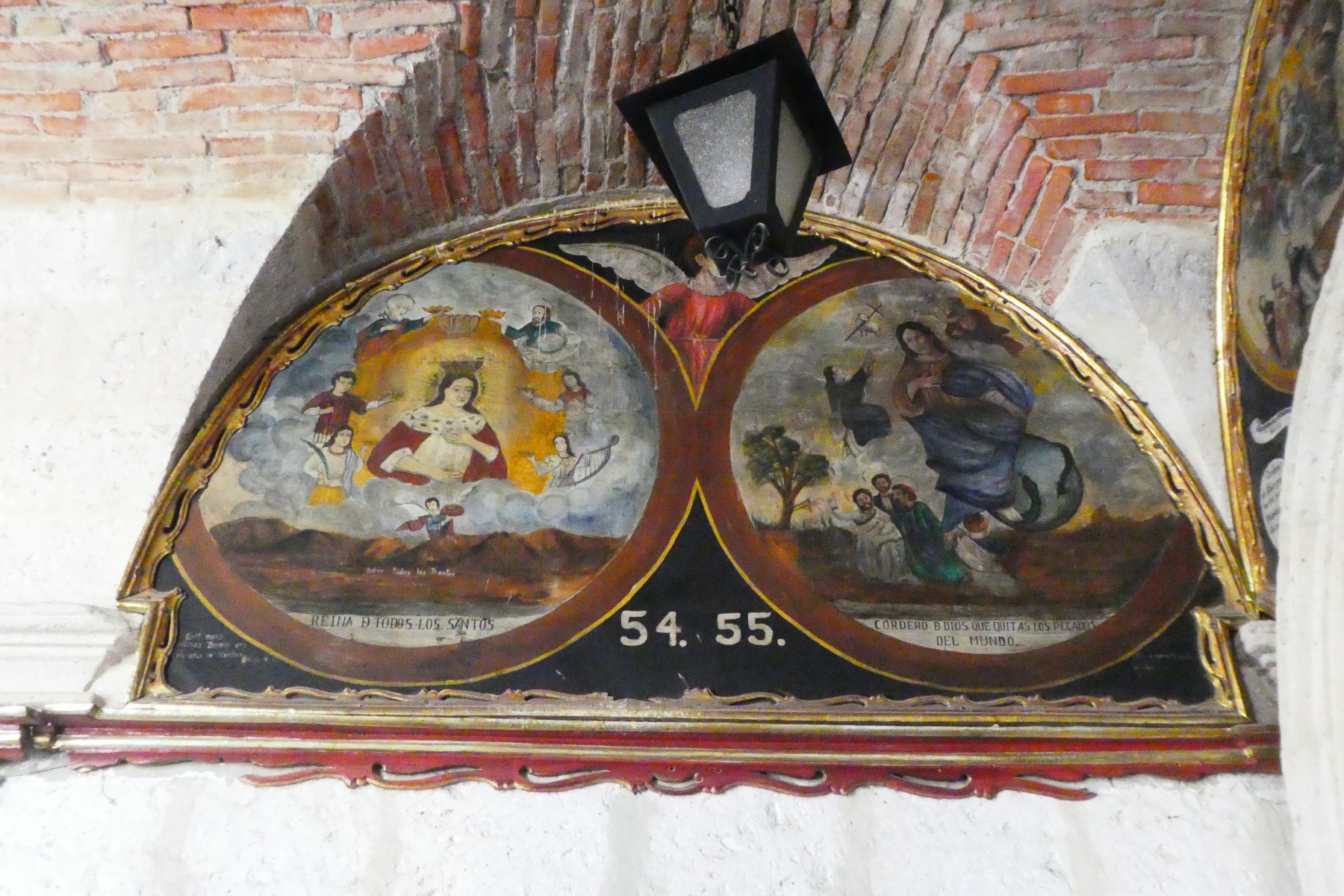
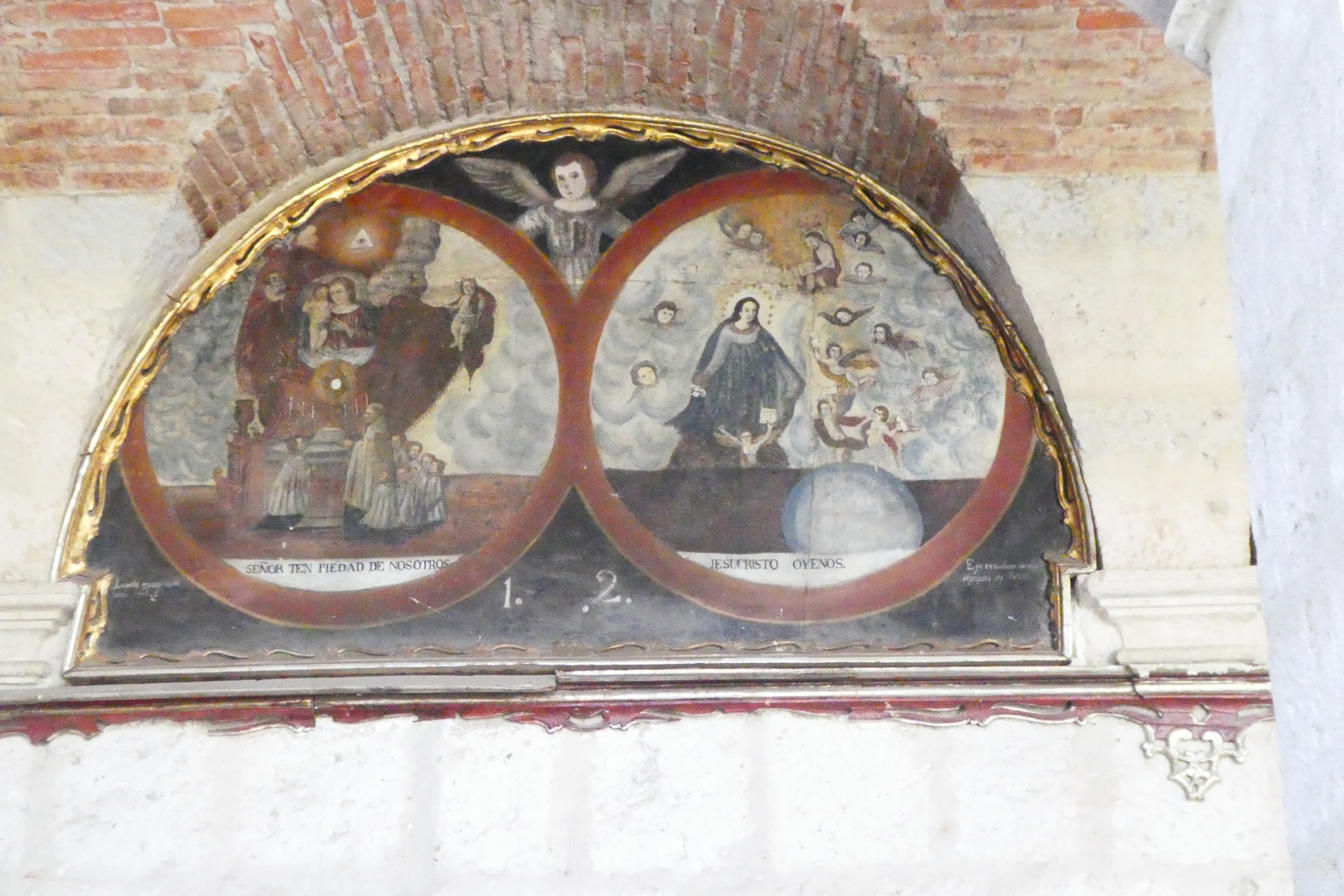
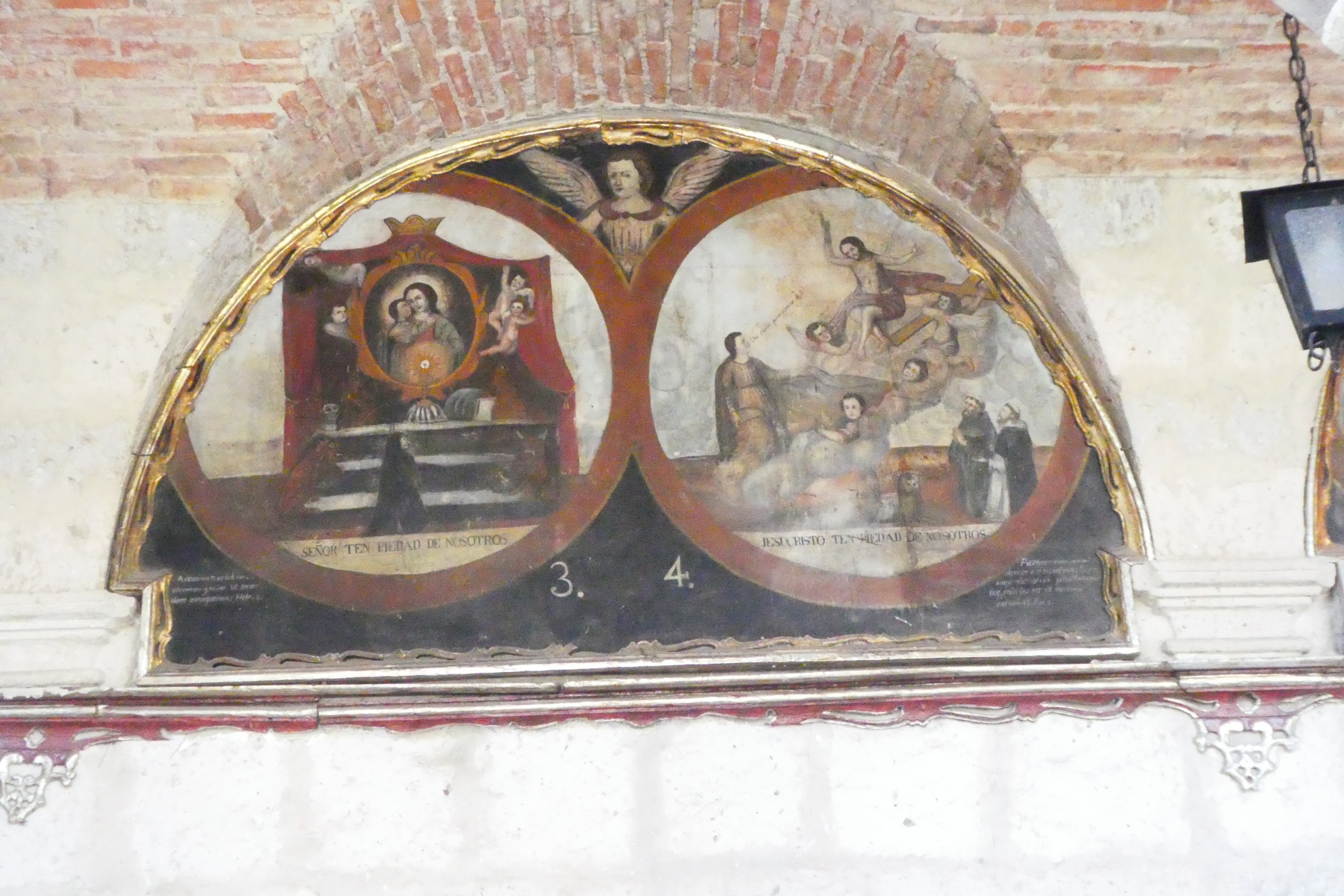
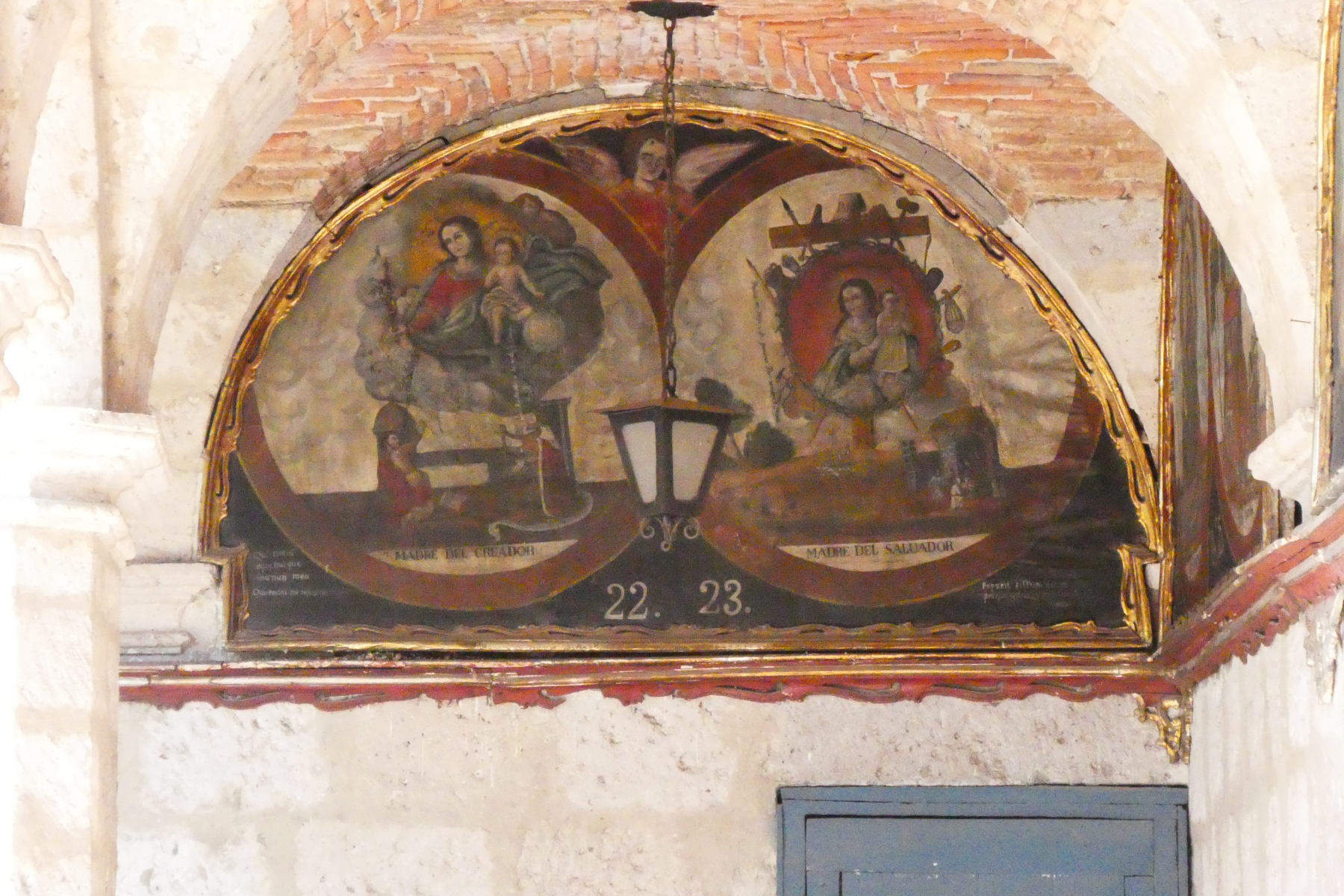
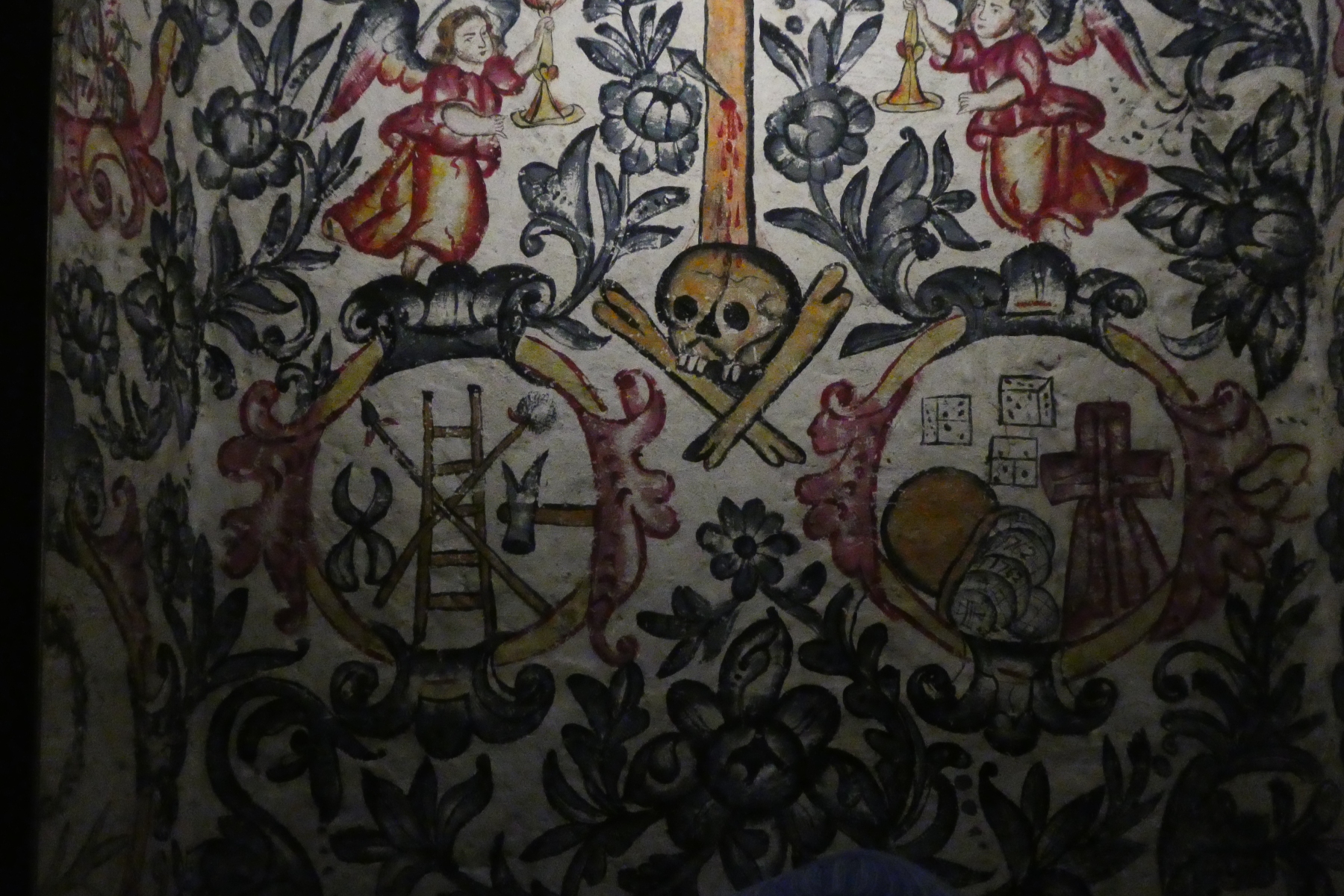
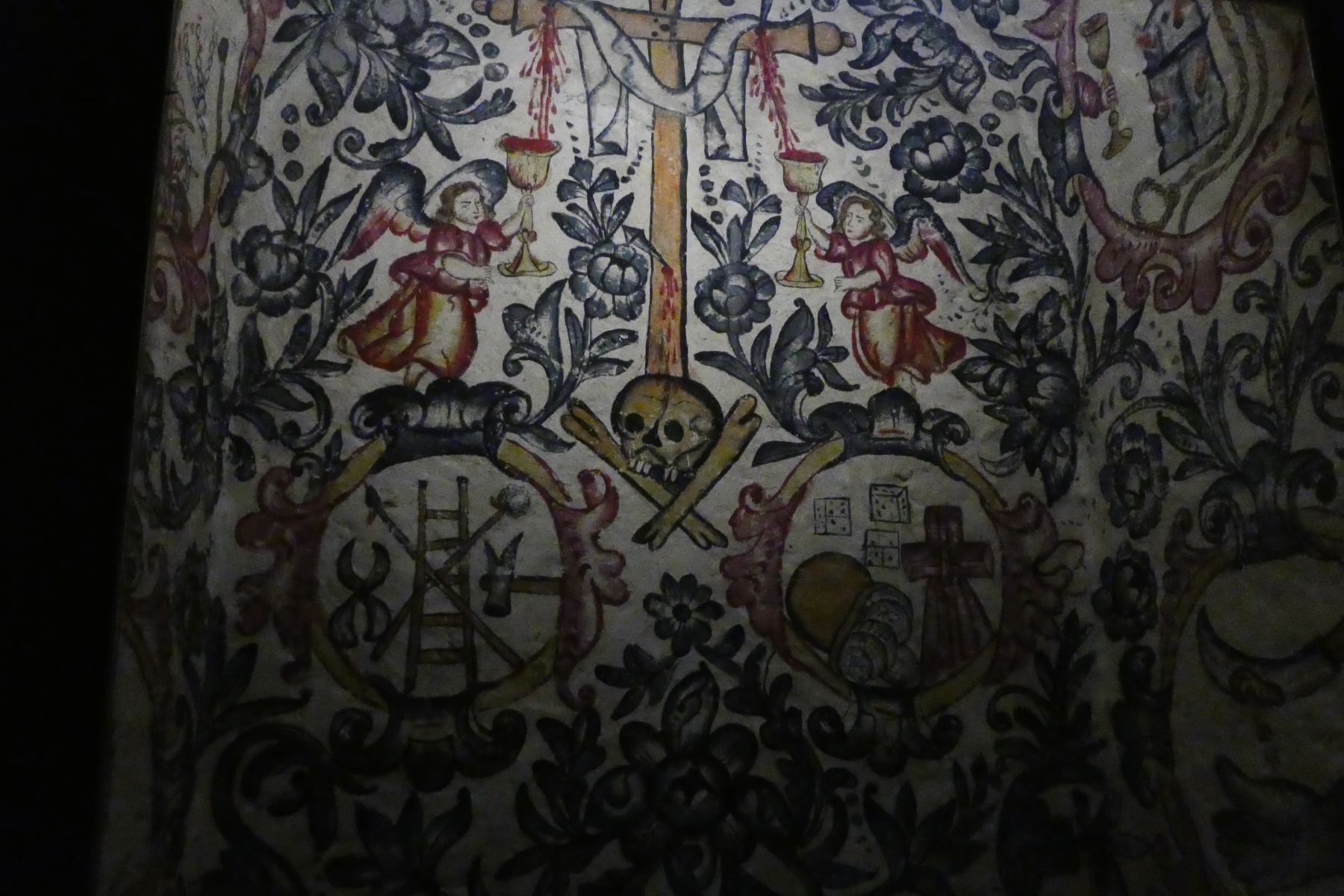
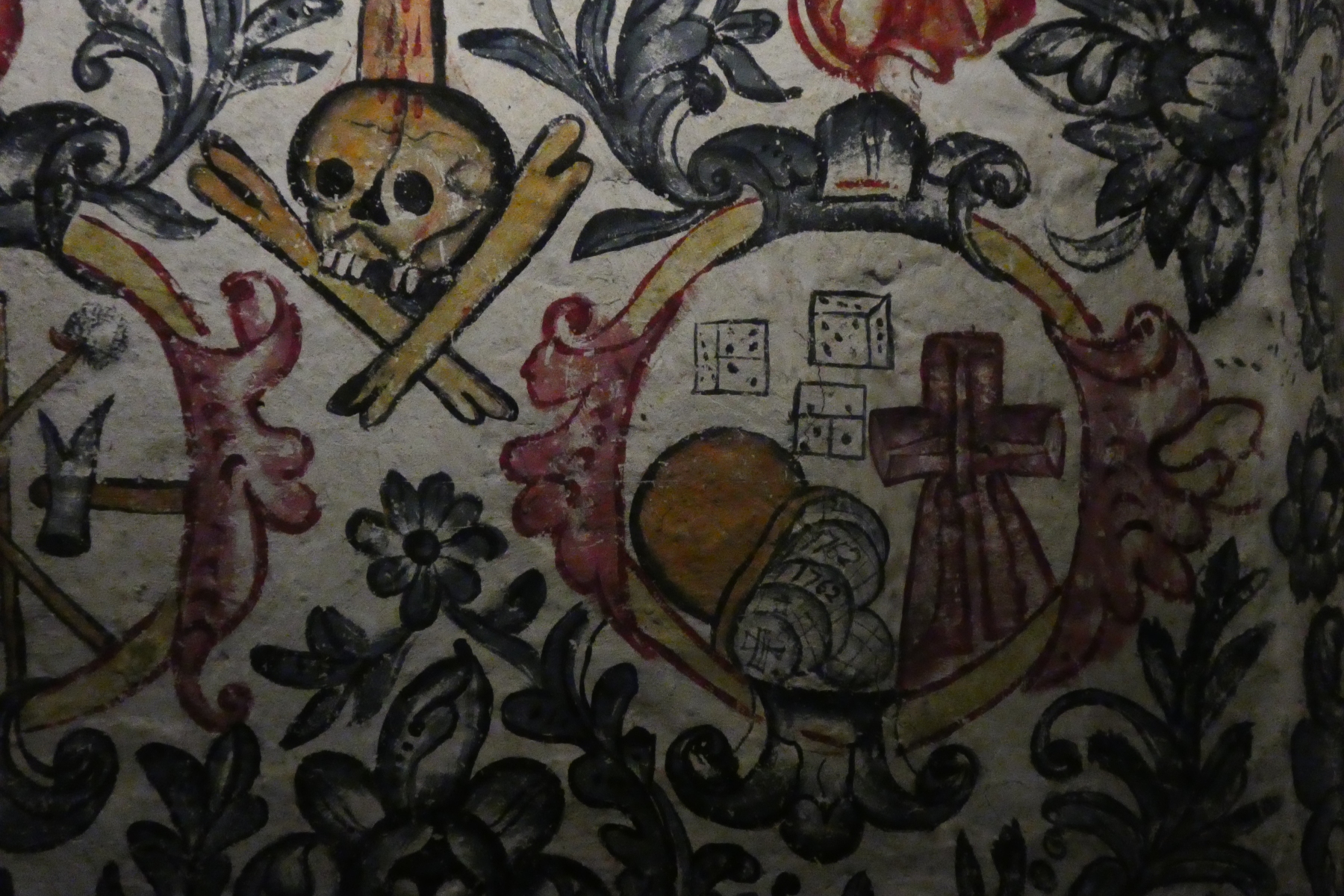
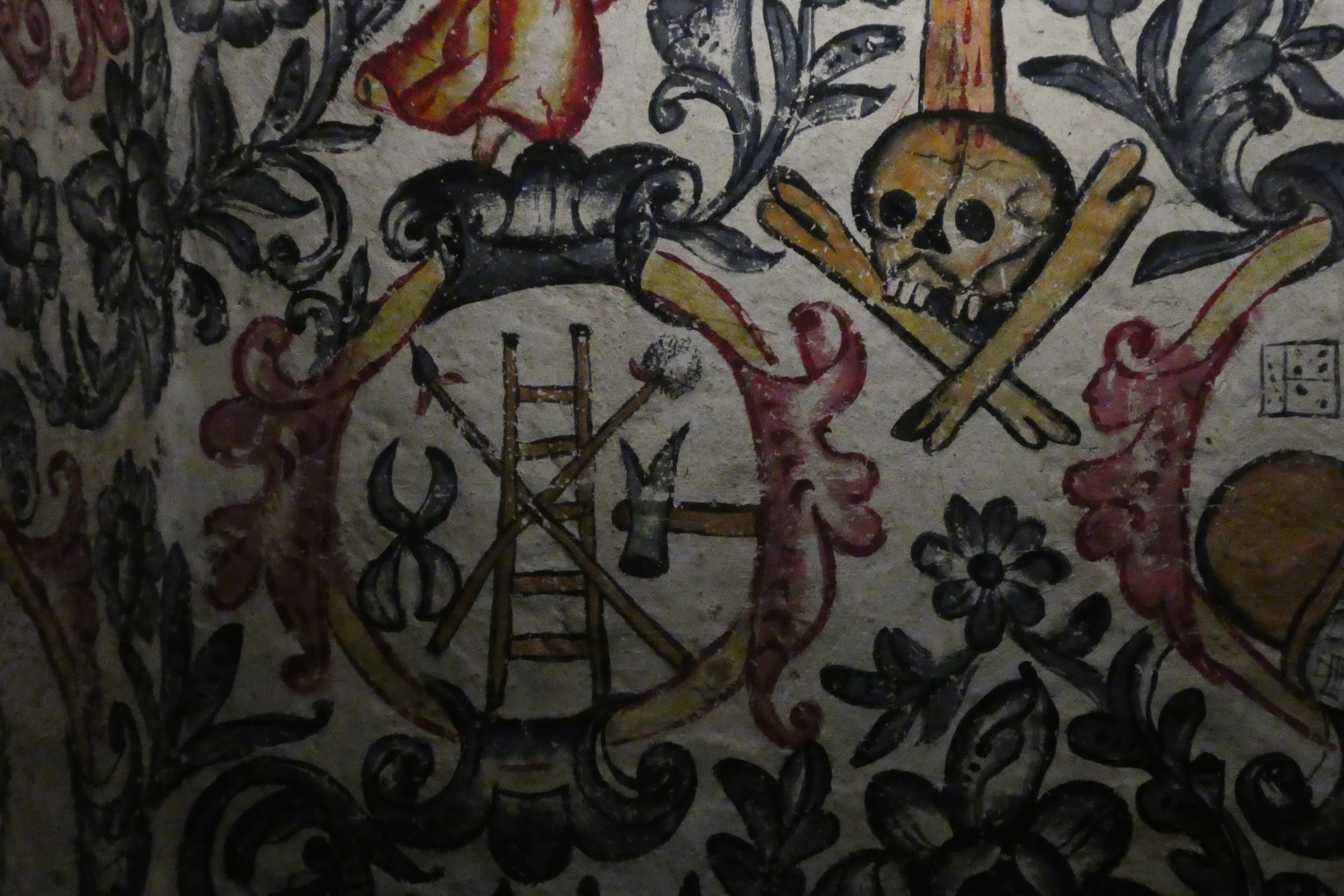
There were also murals everywhere.
Most of these photographs came from the first cloister we visited. Once I realized how many murals there were, I became a little more selective with the camera.
We’re considering returning for a nighttime tour, so perhaps I’ll have another opportunity to photograph them.
I thought they were stunning.
And then there were the doors.
Then there were the doors. As I walked around, I kept noticing how beautiful or simply interesting they were. Several objects in the cells caught my eye, too. I thought the unusual harp in one of the pictures was especially lovely.
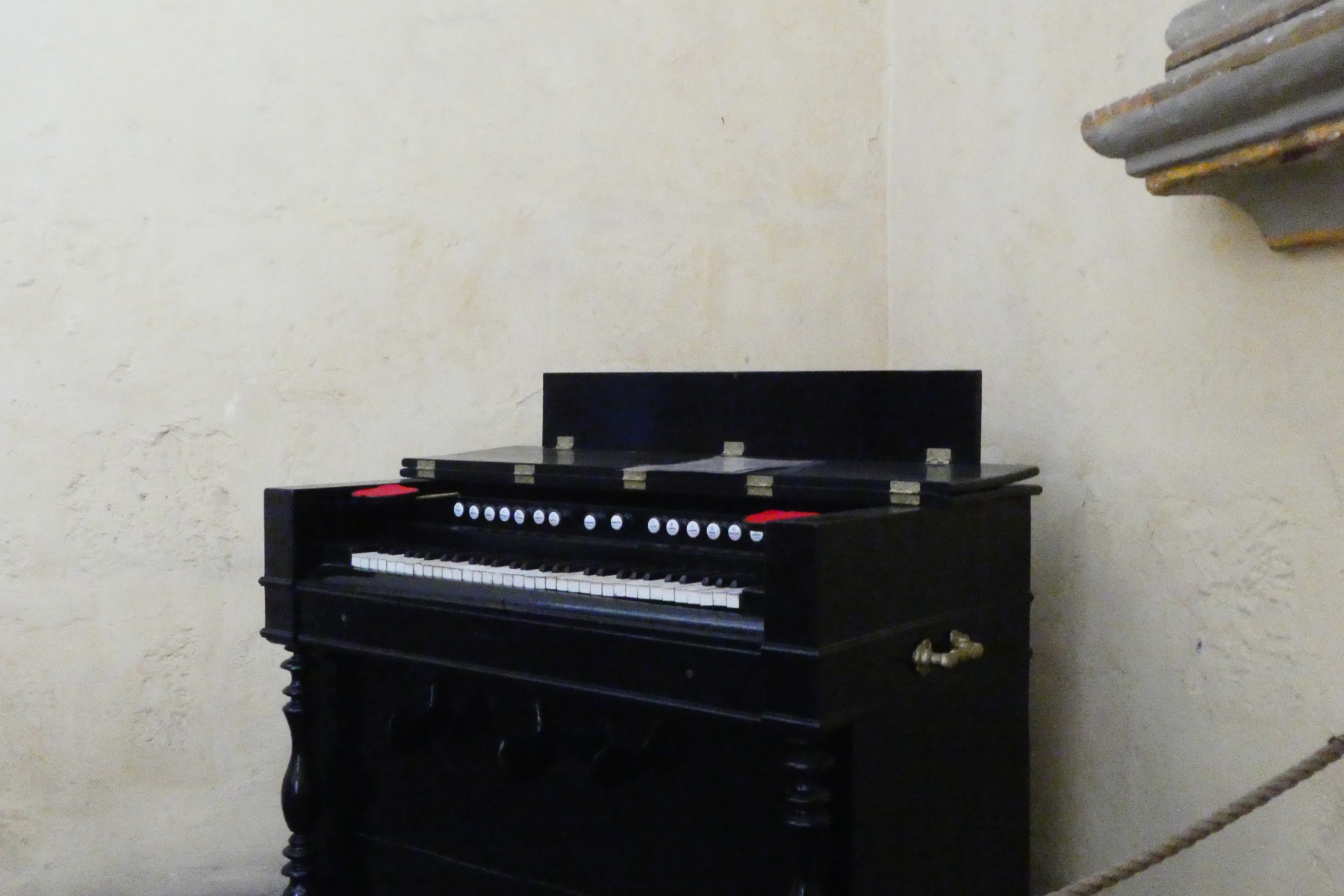
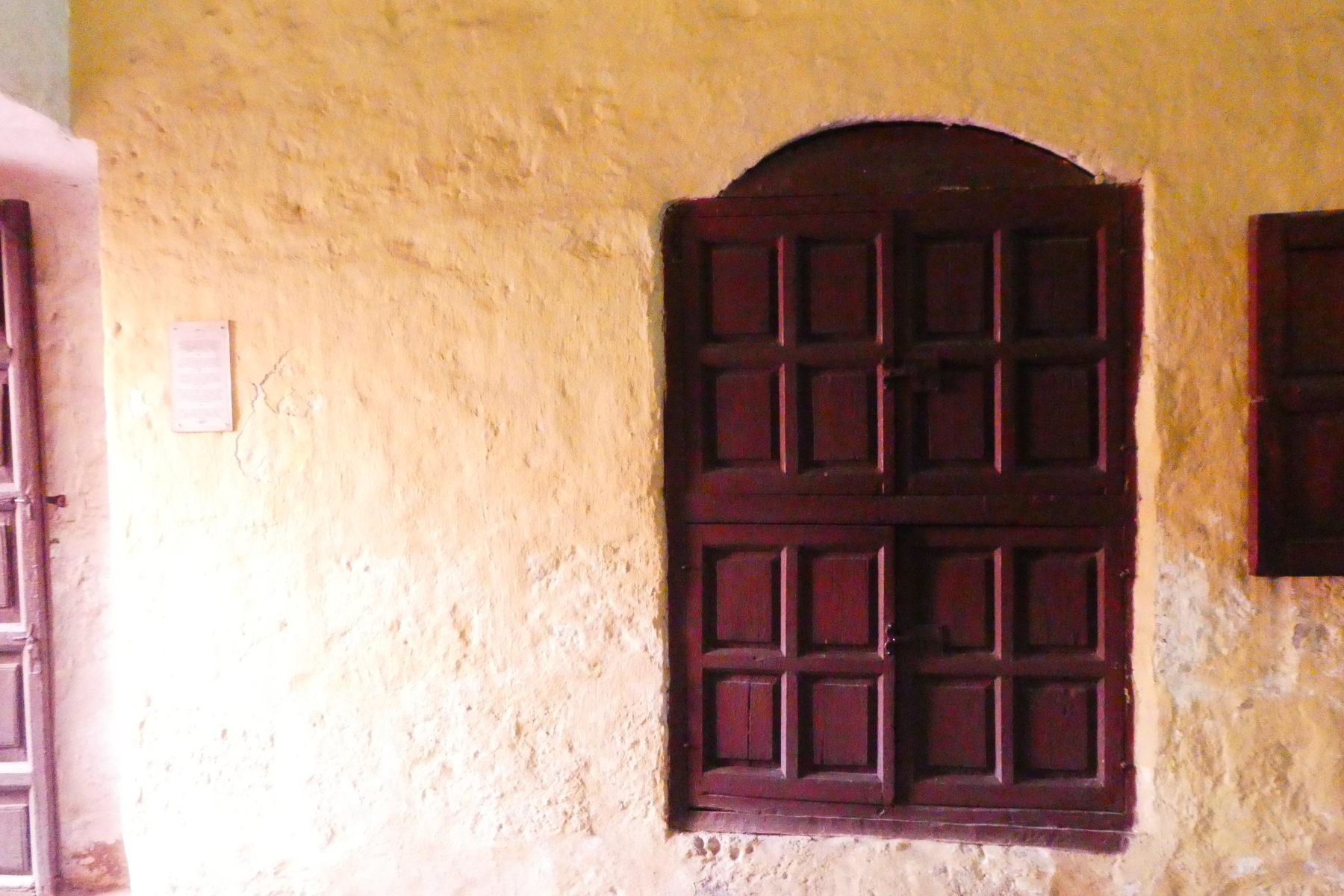
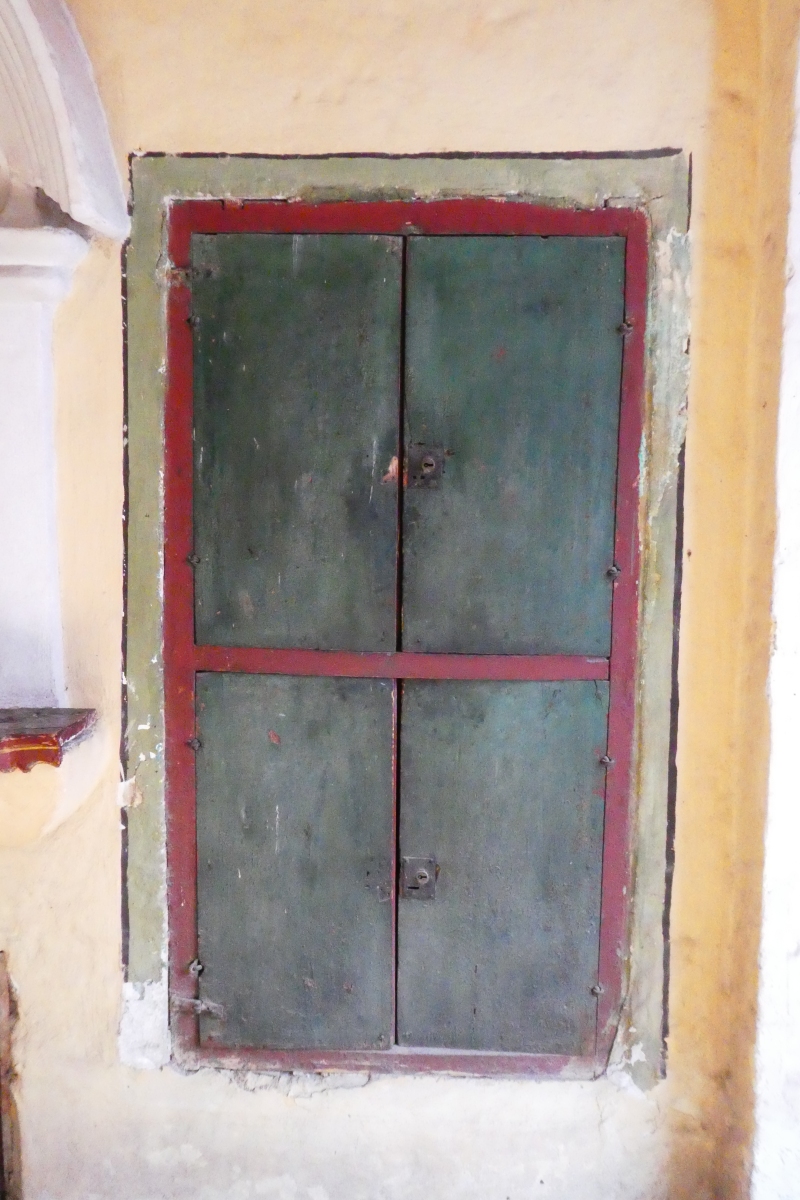
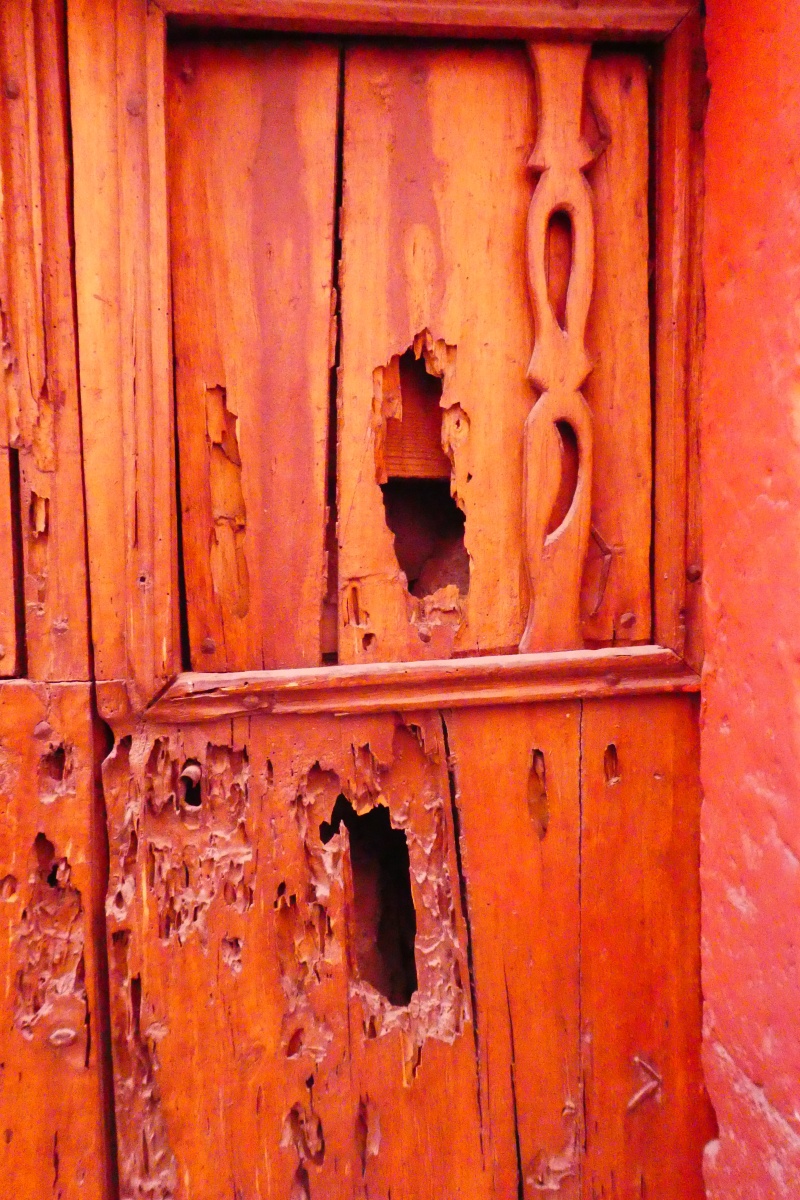
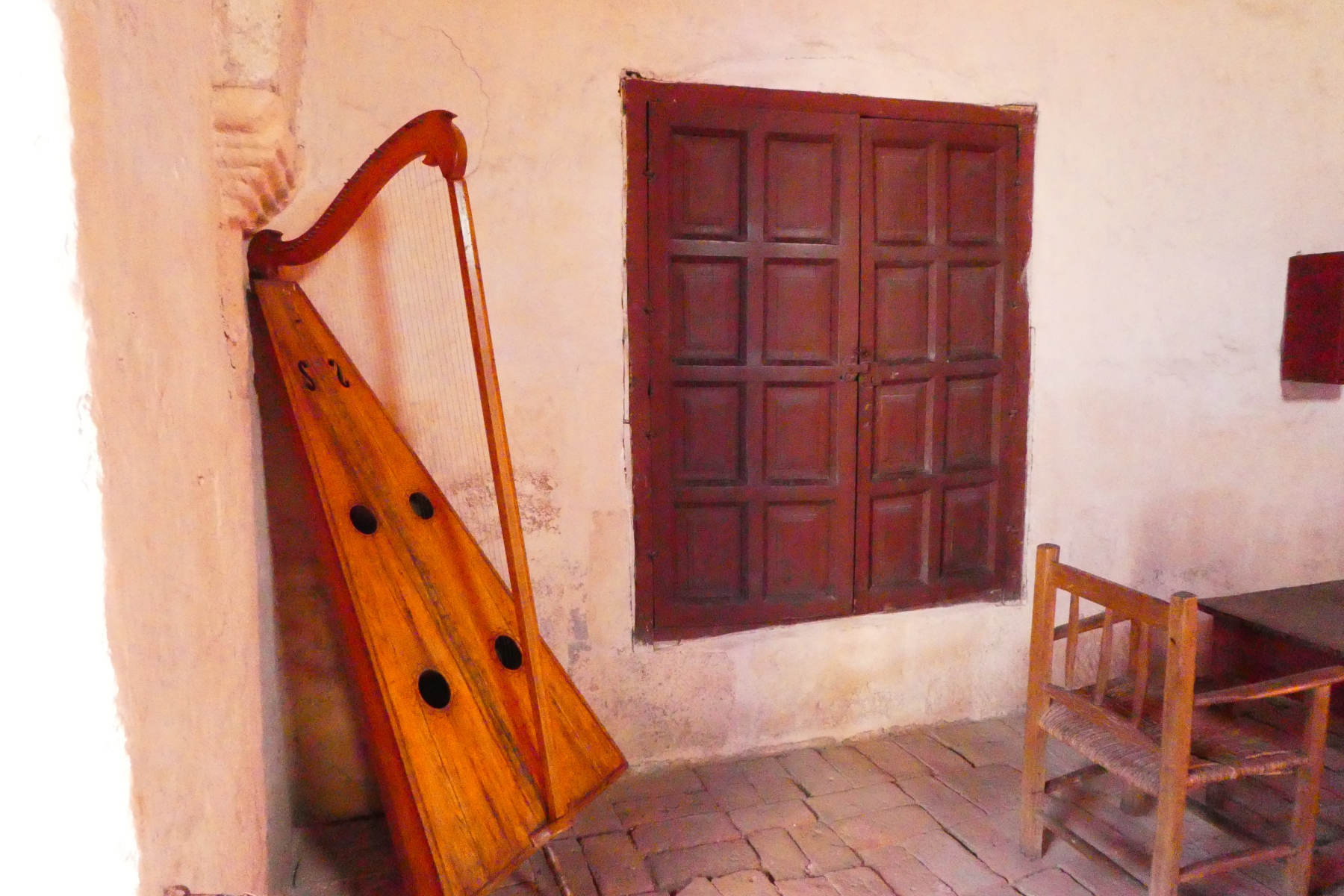
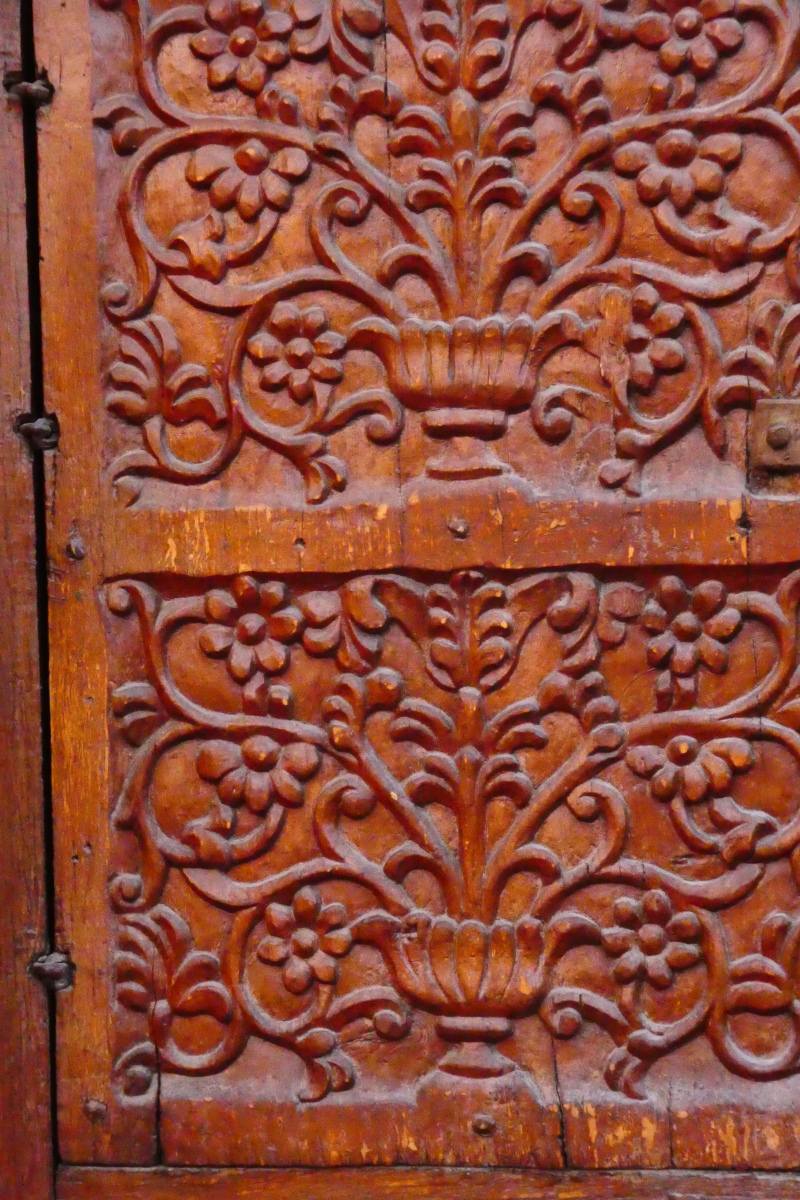
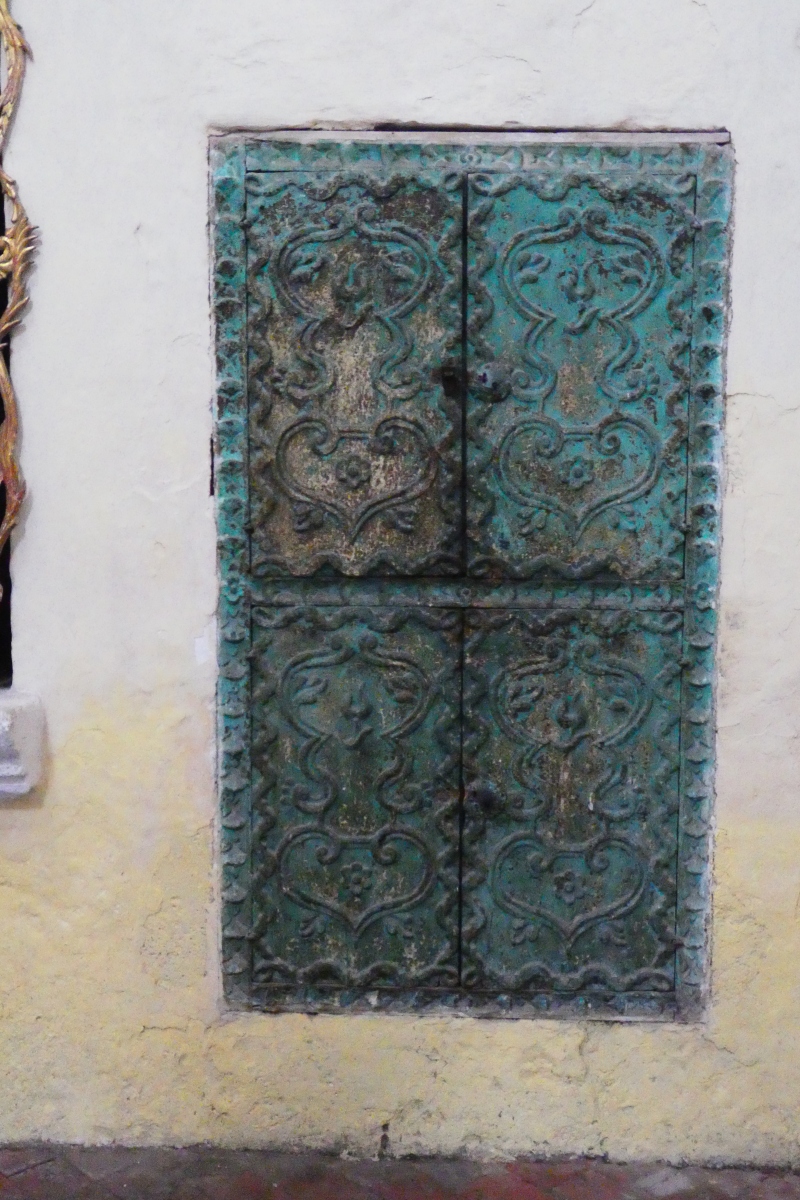
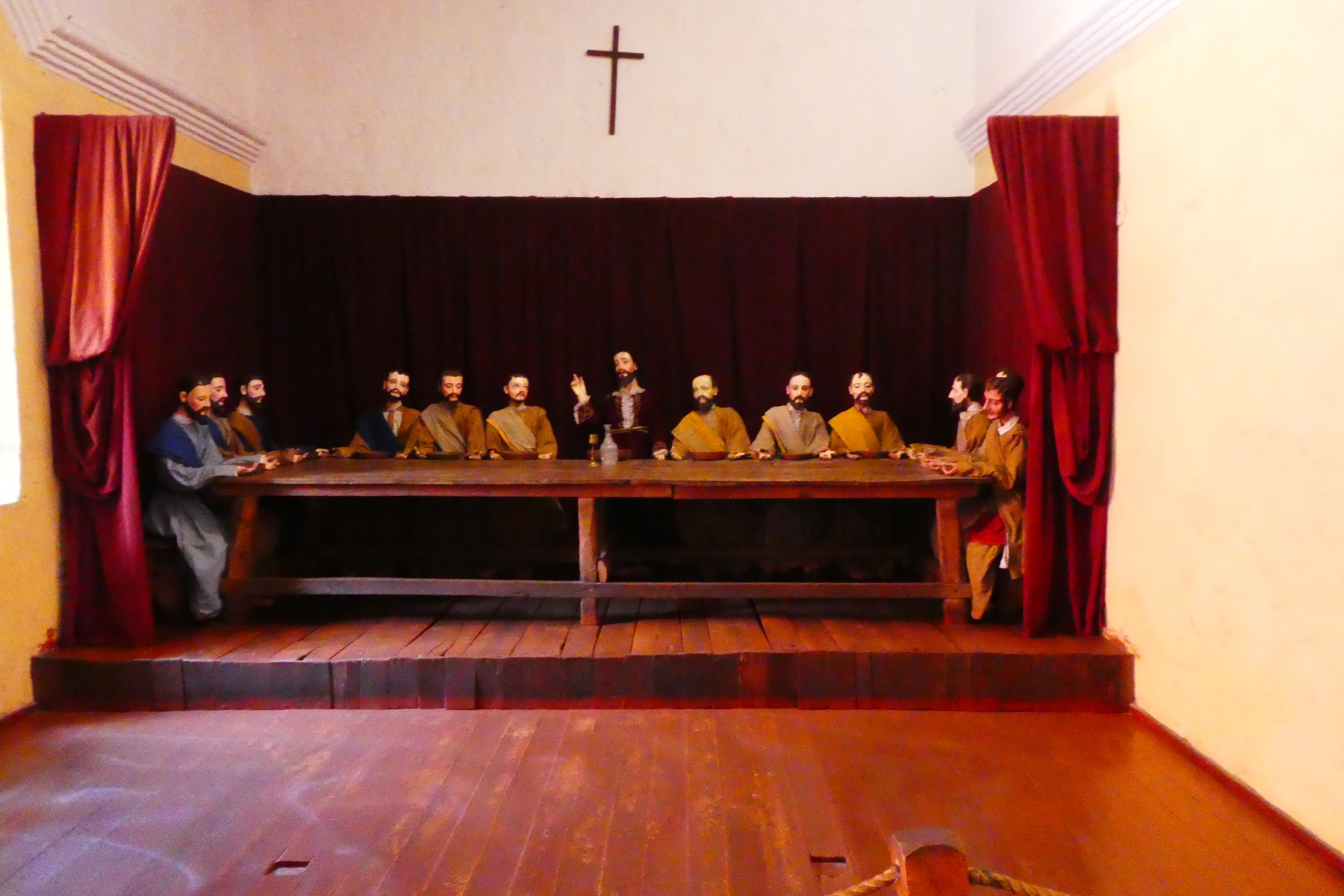
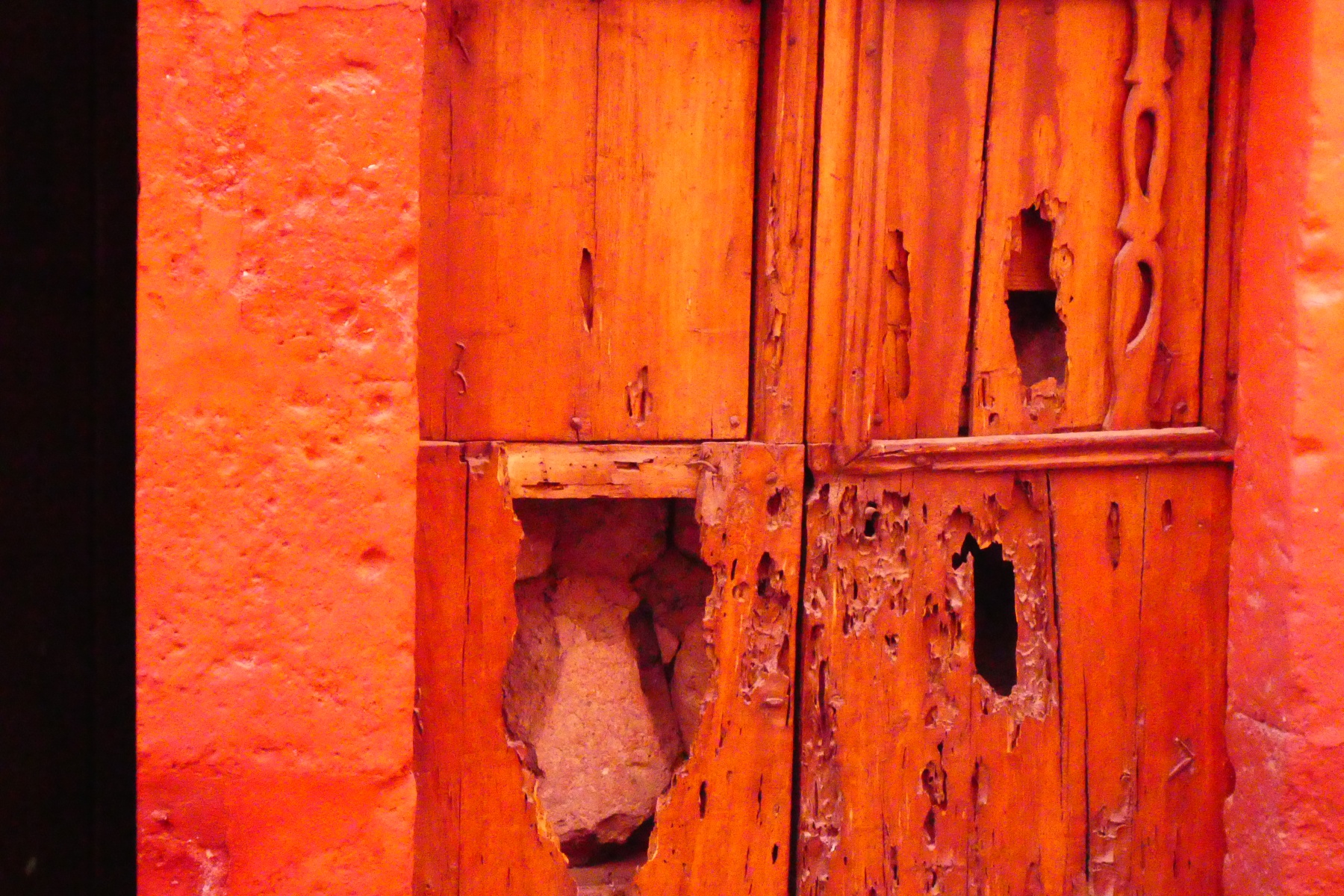
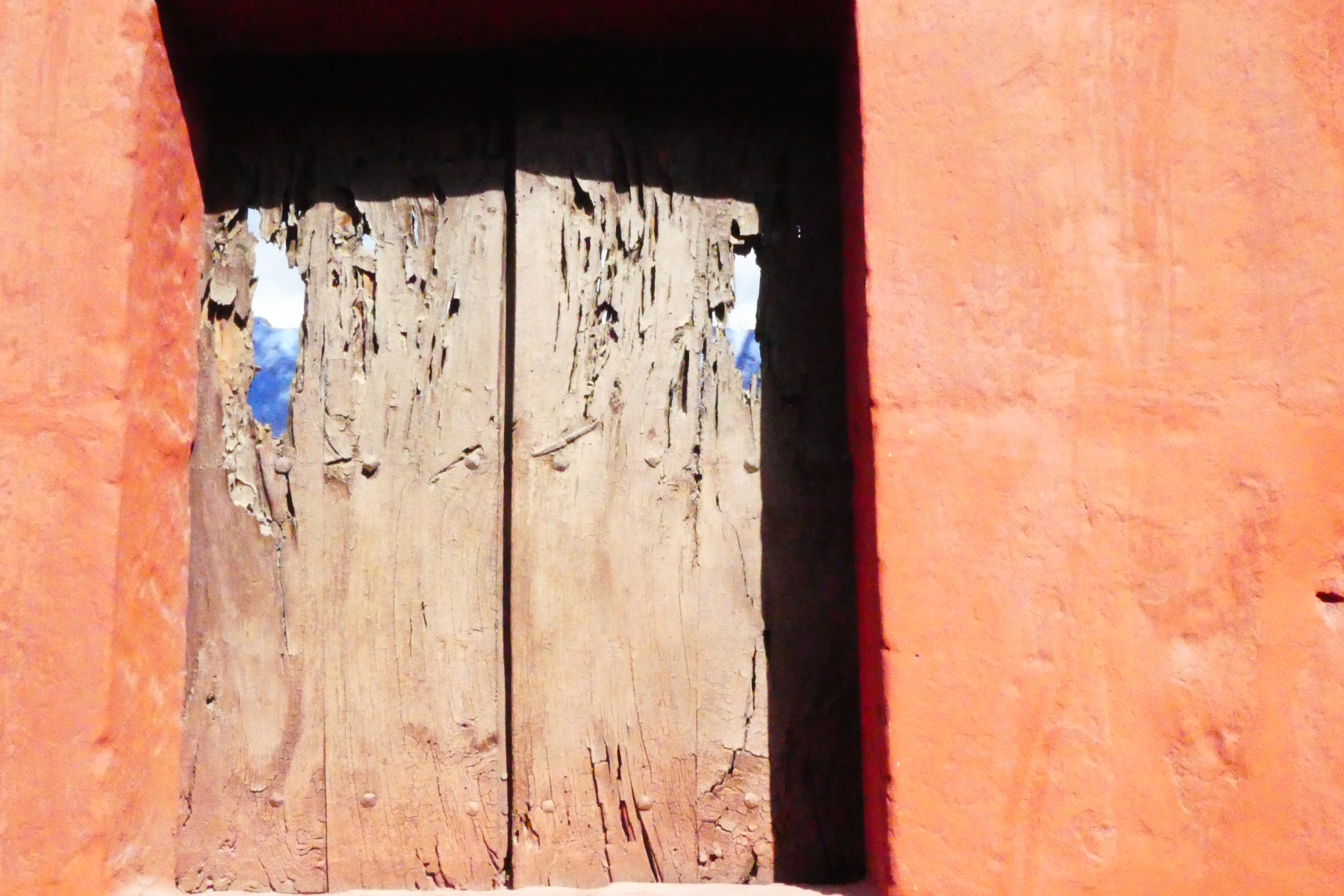
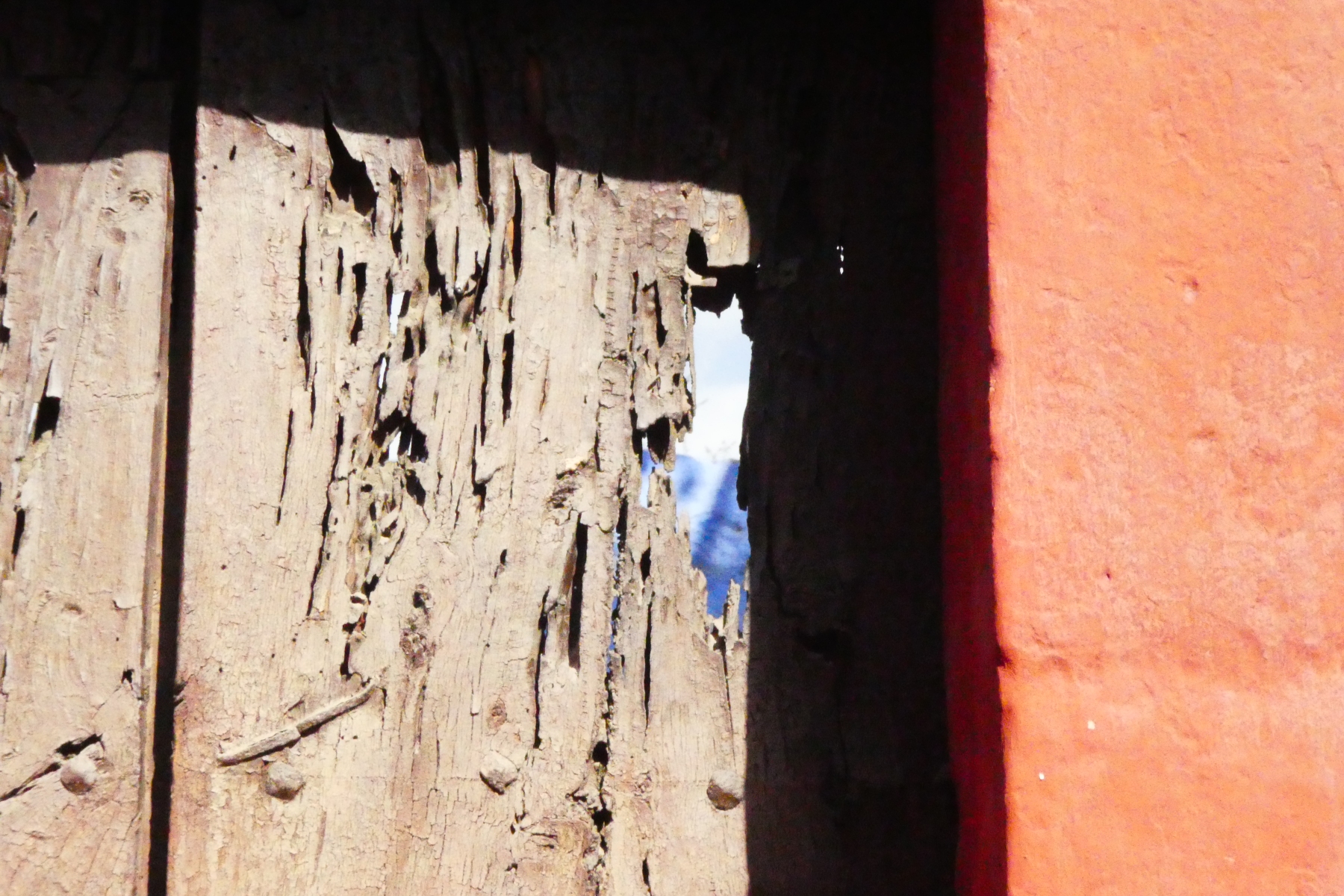
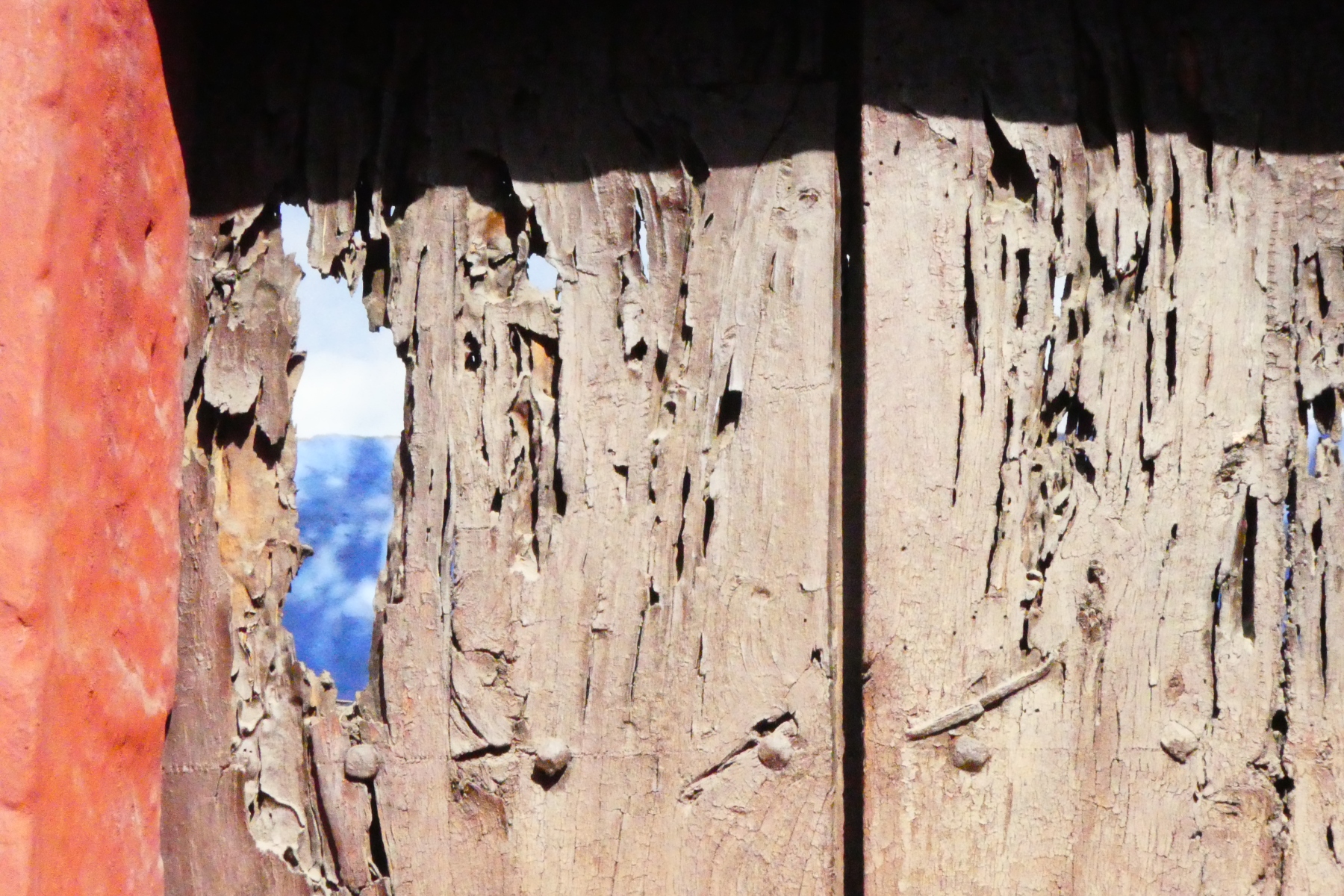
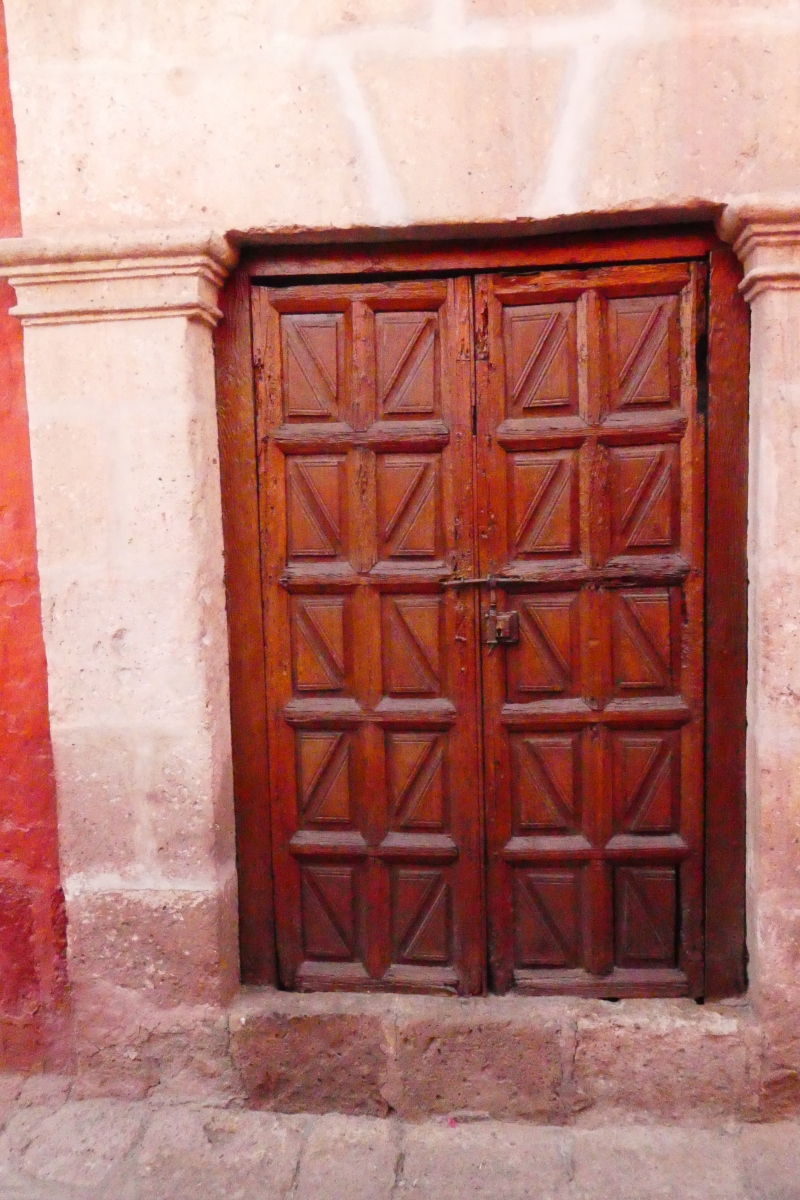
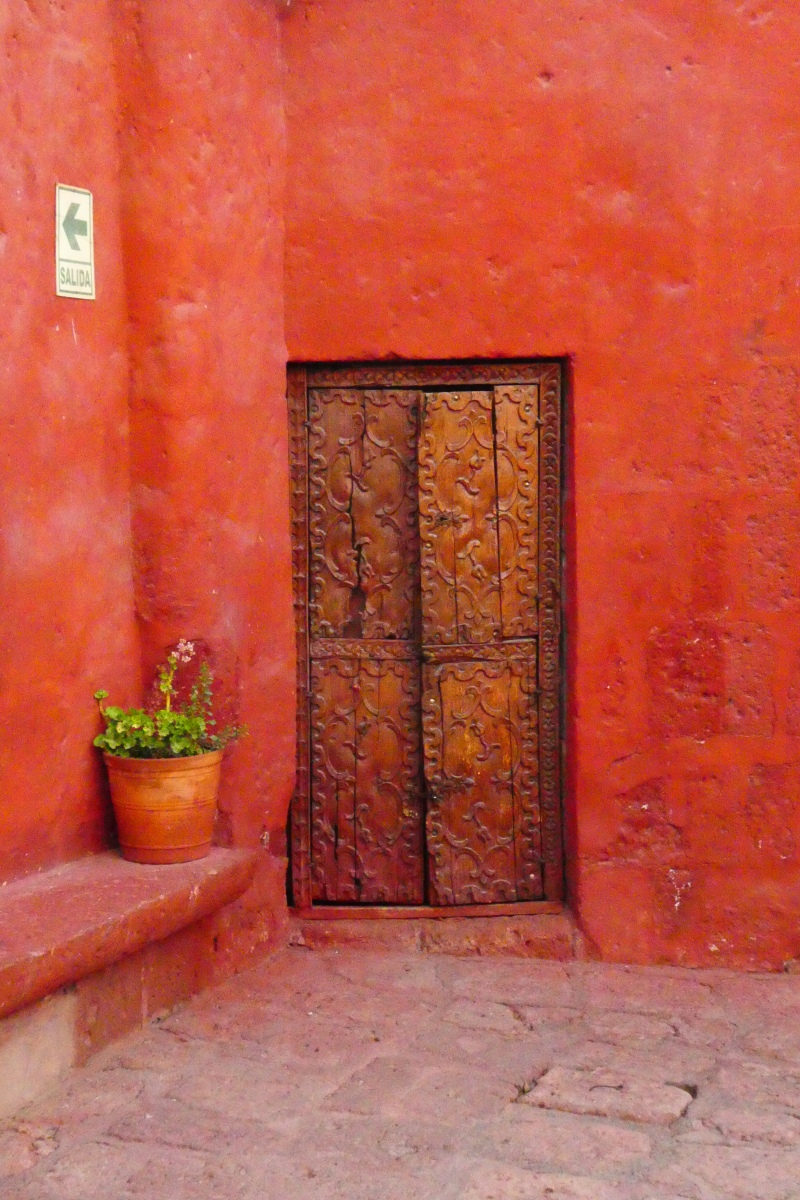
As we wandered through the monastery, I kept noticing how beautiful—or simply interesting—they were. Several objects in the cells caught my attention as well, particularly an unusual harp.
But what fascinated me most wasn’t the architecture or the artwork. It was imagining the lives of the women who lived there.
I’ve mentioned before that I don’t feel I’ve quite gotten my “blog voice” back. I seem to spend more time describing photographs than explaining what makes a place interesting to me.
In this case, it was the differences between the cells and the stories of the women who occupied them.
Many cells had their own kitchens. We learned that at one point, a bishop restricted each nun to just one servant.
One servant!
That left me wondering how much time the nuns actually spent together. Did they eat alone in their cells? Did they gather in small groups? How isolated were their lives?
We also learned that some nuns deliberately wore uncomfortable garments as a form of penance. That’s so far removed from my own experience that I found it difficult to imagine.
I left wanting to know much more about their daily lives.
Afterward, we stopped near the monastery at the Church of San Francisco (Iglesia de San Francisco).
There we encountered a procession carrying a religious figure that Chad thought might be Saint Jude Thaddeus (San Judas Tadeo), whose feast day is October 28.
It was an unexpected addition to an already interesting day.
All in all, a genuinely nice day.
0 comments